
Why executives choose a private dual diagnosis residential program
If you are a senior leader, founder, or high performing professional, you live with pressures that most people never see. Long hours, constant decision making, public visibility, and responsibility for others can intensify anxiety, depression, and stress. When substance use becomes a coping tool on top of that, you are dealing with a dual diagnosis challenge that is both clinical and reputational.
A private dual diagnosis residential program is designed for this exact overlap. It treats a mental health disorder and a substance use disorder at the same time, in one integrated plan, so you are not trying to manage two separate systems or explain your story twice. Research shows that addressing both conditions together is essential, because each one tends to fuel the other and separated care leads to poorer outcomes.
For executives, the best programs do more than stabilize symptoms. They protect your privacy and professional standing, provide concierge level services, and keep you connected to work in a structured, realistic way. You are not looking for an institutional experience. You are looking for a discreet, high end environment that helps you regain control, protect your career, and build a sustainable, long term recovery.
What makes an executive dual diagnosis program different
A traditional residential program can feel generic, institutional, and disconnected from your lived reality. A private dual diagnosis residential program for executives is structured very differently, starting from the intake conversation.
Privacy and discretion at every step
You likely have concerns about reputation, media exposure, and professional fallout if your situation becomes public. High quality private facilities are built around discretion, from the way they admit you to the way they protect your identity during and after treatment.
A strong executive focused program typically offers:
- Secluded or gated locations with limited public access
- Small census and low client to staff ratios, which reduce visibility and noise
- Confidential admissions that can be initiated by you, a family member, or a trusted advisor
- Clear policies that limit photography, social media, and outside visitors
Programs that specialize in confidential care for leaders function similarly to a confidential rehab for executives where your name, role, and company are treated as sensitive information, not marketing material.
Integrated dual diagnosis expertise
Dual diagnosis treatment is a distinct clinical specialty. The best private programs do not bolt on therapy for anxiety or depression as a side service. They build the entire model around the interaction between mental health and substance use.
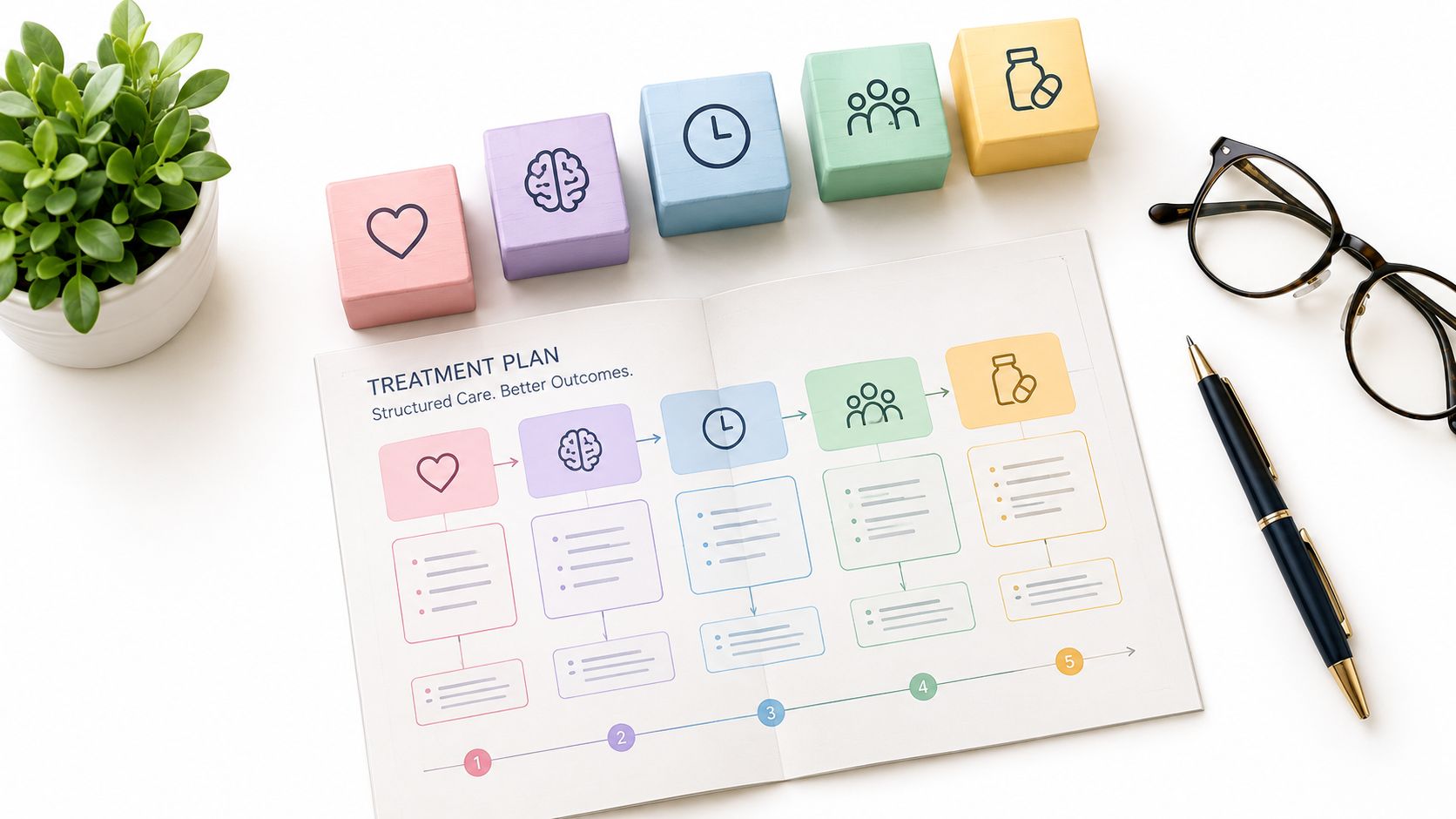
National guidance identifies integrated treatment as best practice for co occurring disorders, where one team addresses both conditions within a single, coherent plan. This approach improves substance use, mental health symptoms, treatment retention, cost effectiveness, and client satisfaction.
You should expect your program to offer:
- Comprehensive psychiatric evaluation to diagnose conditions such as anxiety, depression, PTSD, or bipolar disorder
- Substance use assessment that looks at patterns, triggers, and associated risks
- Coordinated psychopharmacology so medications for mental health and addiction work together, not against each other
- Therapists and physicians who specialize in co occurring disorders, not just addiction alone
Programs like WisHope Recovery and The Key Addiction Treatment Center illustrate this model in practice, with personalized and scientifically based treatment plans that respond to your specific trauma history, mental health profile, and addiction patterns.
Environment built for professionals, not patients
An executive level dual diagnosis program feels closer to a private addiction and mental health treatment center or luxury dual diagnosis treatment center than to a hospital ward. The physical and social environment reduces the sense of being “locked away” and supports your identity as a capable adult who is choosing change.
You can look for:
- Private or semi private suites that mirror executive rehab with private accommodations
- Comfortable work friendly spaces so you can manage essential responsibilities within clear boundaries
- Chef prepared meals, wellness facilities, and quiet areas for reflection
- Small, high functioning peer groups, often including other professionals and business owners
This type of environment matters. Living for several weeks in a setting that respects your standards and comforts allows you to focus your effort on treatment, not on adapting to a harsh or crowded facility.
Key clinical components you should expect
You are unlikely to choose a program based only on amenities. Clinical depth, expertise, and intensity are what determine whether you actually regain control. A high end, private dual diagnosis residential program should be able to walk you through a clear, evidence based structure.
Comprehensive assessment and individualized plan
Your experience begins with a full assessment, not a standard checklist. Residential programs that specialize in dual diagnosis routinely use:
- Psychiatric evaluations to clarify diagnoses and rule out medical causes of symptoms
- Trauma, family, and work history reviews that account for long standing patterns
- Medical exams and lab work to address sleep, nutrition, pain, or chronic conditions
Programs like Free by the Sea and WisHope Recovery emphasize this individualized intake process, using thorough assessments and evaluations to design treatment plans tailored to your specific disorders and life context.
For executives, this individualized planning aligns with what you would find in a luxury rehab with individualized therapy. The goal is to build a clinical roadmap that acknowledges your responsibilities, your strengths, and your constraints, rather than forcing you into a rigid, one size fits all track.
Evidence based therapies that fit complex lives
Top tier programs rely on therapies with strong research backing and specific benefits for co occurring disorders. In a private dual diagnosis residential program, you can expect a structured mix of:
- Cognitive behavioral therapy (CBT) to identify and shift thought patterns that drive both substance use and mood symptoms
- Dialectical behavior therapy (DBT) to build emotional regulation, distress tolerance, and interpersonal skills, which is especially useful when your leadership role has taught you to suppress emotion in order to perform
- Trauma informed counseling if you have a history of trauma, high conflict environments, or public crises that still shape your responses
- Dual recovery groups that focus directly on managing mental health and substance use together
Programs like Skyland Trail combine abstinence based 12 step work with CBT, DBT, and other evidence based treatments, requiring active participation in daily groups that address both substance use and psychiatric symptoms.
This model resembles high end mental health and addiction treatment that you might already be familiar with in outpatient form, but in a far more intensive, immersive residential setting.
24/7 medical and psychiatric support
When you first step away from work, travel, and your usual coping habits, your nervous system will react. Private dual diagnosis residential programs are designed for exactly this vulnerable window.
You should expect:
- Medical supervision, particularly through detox and the early stabilization phase
- On site nursing and access to physicians for emerging issues
- Psychiatrists who oversee and adjust medications for both mental health and cravings
- Around the clock staff presence that combines clinical oversight with emotional support
Facilities like WisHope Recovery, The Key, and Free by the Sea highlight the value of 24/7 supervision and a structured environment that removes external triggers so you can focus on recovery.
This level of care mirrors what you would find in executive inpatient mental health treatment, with a focus on stabilization, safety, and clarity before you begin making large professional decisions.
Concierge and lifestyle support for leaders
For many executives, the practical question is not “Can I benefit from treatment,” but “Can I realistically step away without everything else collapsing.” A strong private dual diagnosis residential program anticipates that concern and builds flexible, concierge style supports around it.
Structured ability to stay connected to work
Completely unplugging is ideal for some, but not for everyone. The more realistic approach for many leaders is a carefully controlled connection to essential obligations.
Executive focused programs may provide:
- Designated times and spaces for email and calls so treatment is not constantly interrupted
- Staff support in setting boundaries with your team or board about your temporary availability
- Secure Wi Fi and private areas where you can handle confidential matters without disrupting others
This model is similar to a concierge addiction treatment program where the team understands that your professional role is a fact, not a failure of commitment to recovery. The work is to right size that role so it no longer drives your symptoms.
High end amenities that support recovery
Luxury alone does not treat dual diagnosis, but comfort and order can support the work you are doing. A premium program often includes:
- Private suites with workspaces
- Fitness facilities, yoga, meditation, and outdoor spaces
- Chef curated meals that take into account health, energy, and mood
- Massage, bodywork, or other holistic services chosen to reduce stress
These amenities are not there to distract you from treatment. They are there to help your nervous system settle so you can engage more fully in therapy. This type of integrated physical and emotional care is consistent with high end trauma and addiction treatment, where all aspects of your wellbeing are addressed at once.
Support staff who understand professional stakes
In a high functioning, executive oriented environment, you are unlikely to have to explain what it means to be responsible for a large team, a company, or investor capital. Clinicians and support staff are used to working with founders, executives, clinicians, attorneys, and other high stakes professionals.
They can help you:
- Map how leadership stress, travel, and public scrutiny have affected your mental health
- Distinguish between healthy ambition and compulsive overworking
- Plan how and when to disclose aspects of your treatment to partners, boards, or teams, if needed
This is where an executive rehab for professionals or a high functioning professional addiction treatment program provides clear value. The clinical work is grounded in your actual pressures, not a generic life template.
How residential care protects your long term outcomes
You may have already tried outpatient therapy or medication management. Stepping up to a private dual diagnosis residential program can feel like a major escalation. Understanding what residential care makes possible can help you decide.
Separation from triggers and constant demands
Residential treatment gives you time and space that you have likely not had in years. Removing yourself from your usual environment breaks habitual pathways between stress, substances, and self criticism.
Studies of residential rehab describe it as a live in model outside the hospital system, with short term plans often lasting 3 to 6 weeks and longer term options of 6 to 12 months, depending on need. For dual diagnosis, this extended runway is especially valuable because mental health and addiction symptoms often fluctuate in the first months of change.
Programs like Free by the Sea emphasize that a structured environment without daily life stressors and distractions allows you to focus entirely on recovery, with professional support available 24/7.
Intensive, coordinated work on root causes
Residential dual diagnosis programs go beyond symptom control. Integrated treatment models use coordinated interventions such as dual recovery groups, combined psychopharmacology, and motivational enhancement, which have been linked to:
- Decreased substance use
- Improved mental functioning
- Reduced hospital visits and emergency department use
- Better housing and employment outcomes
- Higher life satisfaction
For executives and professionals, these outcomes translate into very concrete benefits. You are better able to function in high stress environments, make clear decisions, and maintain stability under pressure.
Step down and aftercare to sustain gains
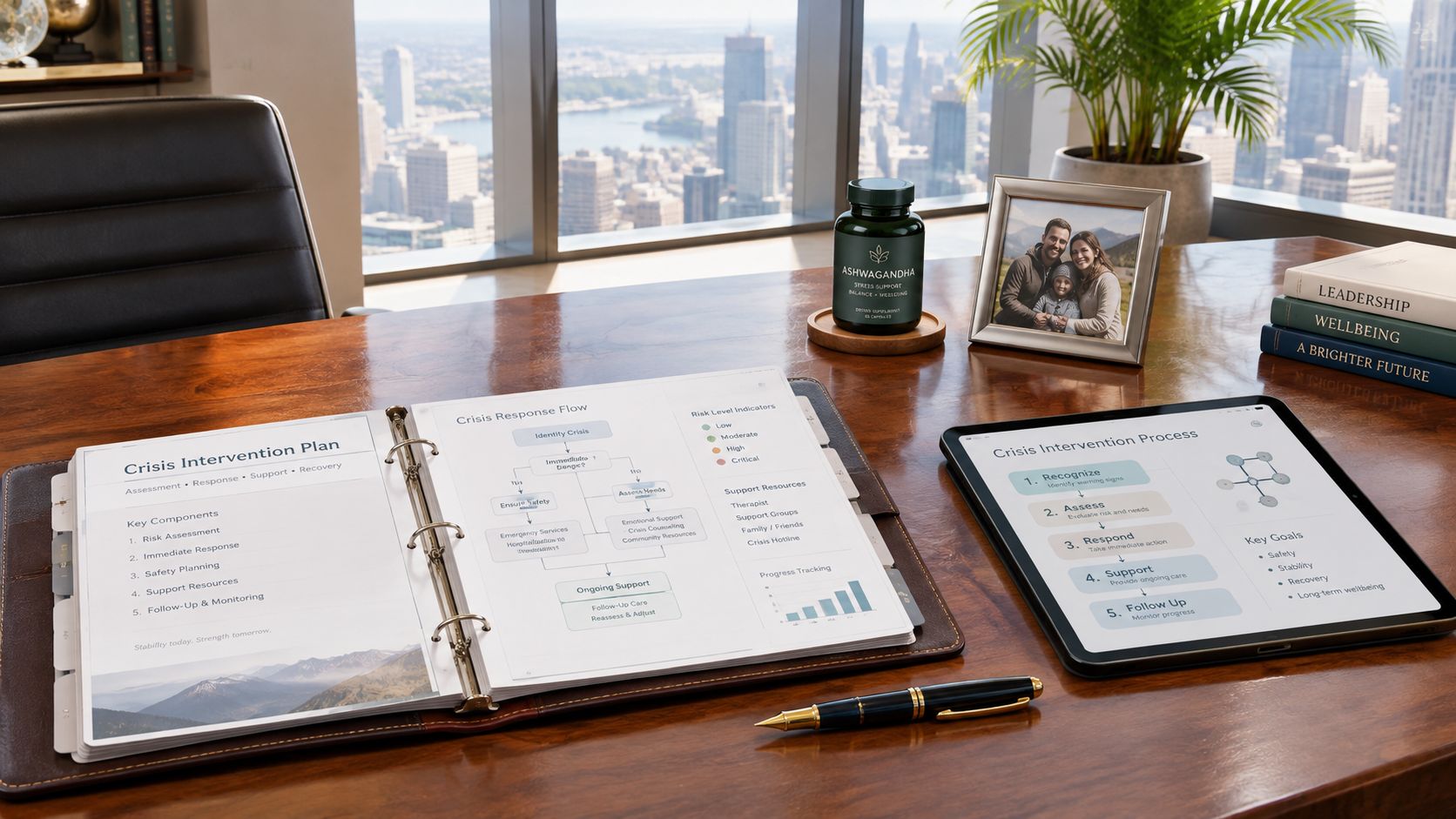
Residential treatment is a foundation, not a finish line. The best private programs build out a clear plan for what happens when you transition back to work, family, and public life.
Effective aftercare and step down services often include:
- Ongoing outpatient therapy focused on dual diagnosis issues
- Medication monitoring and psychiatric follow up
- Relapse prevention planning with clear warning signs and action steps
- Peer or alumni support networks for continued accountability
Because less than 43 percent of individuals who enter addiction treatment complete the full course, continuity of care and strong aftercare are critical for long term recovery. A robust plan keeps you engaged beyond the residential phase and allows you to apply what you have learned in real time.
This continuum can include experiences similar to a private mental health retreat for professionals at key transition points, where you return for brief, intensive tune ups if needed.
A useful way to think about residential dual diagnosis care is as a strategic reset. You are not stepping away from your life. You are stepping into a structured environment that allows you to rebuild it on more sustainable terms.
Evaluating quality and fit for executives
Once you know that a private dual diagnosis residential program is likely the right level of care, the next question is how to choose among options. Not every luxury labeled facility will meet executive needs or clinical standards.
Clinical credentials and accreditation
Look closely at the program’s credentials, not just its décor. You can ask specifically about:
- Accreditation, such as CARF, which recognizes facilities that deliver high quality, tailored treatment, often including specialized dual diagnosis care
- Licensing as both a residential and outpatient treatment provider, similar to The Key Addiction Treatment Center’s certifications, which confirm regulatory compliance over time
- The qualifications of psychiatrists, therapists, and medical staff, especially their experience with co occurring disorders and professional populations
You are looking for a team that functions as an integrated, multidisciplinary unit, similar to the models described in national guidance where psychiatrists, therapists, physicians, addiction specialists, and holistic practitioners coordinate care.
Experience with complex, high functioning clients
Executives often arrive with multiple overlapping issues: chronic stress, trauma, medical conditions, family complexity, or legal exposure. Programs that describe themselves as “complexity capable” are specifically designed to handle these layers in an integrated way.
When you speak with admissions, you can explore:
- How they adapt care for high functioning individuals who may appear composed but are struggling internally
- How they handle clients who need to coordinate with corporate counsel, boards, or high profile families
- Whether they offer a structure similar to discreet rehab for high net worth individuals, where security, boundaries, and confidentiality are carefully managed
This is also where it makes sense to ask whether their current or past client base includes professionals at your level, without requesting identifying information.
Alignment with your values and goals
Finally, a program should feel aligned with how you lead your life when you are at your best. For some executives, this means a more intensive, clinically focused luxury residential dual diagnosis program. For others, the right fit feels closer to high end mental health and addiction treatment with a specific focus on trauma, performance, or relational dynamics.
You can ask yourself:
- Does this environment feel respectful and adult, rather than punitive or infantilizing
- Are the expectations around work connection realistic for my role
- Do I feel that the team understands what is actually at stake for me, professionally and personally
If the answer is yes, and the clinical components match what you know is needed, you are likely looking at the right tier of program for your situation.
Taking a next step toward stability and control
If you are reading this while trying to keep your life running at full speed, you may be carrying more than anyone around you realizes. Anxiety, depression, or trauma layered with problematic substance use is not a sign that you are weak. It is a signal that your current strategies have reached their limit.
A private dual diagnosis residential program gives you a confidential, high level space to pause, reset, and build new patterns that respect both your health and your ambitions. Whether you lean toward an intensive executive rehab for professionals model, a more retreatlike private mental health retreat for professionals, or a fully integrated luxury dual diagnosis treatment center, the critical step is engaging with care that treats your whole experience, not just one symptom at a time.
You do not need to wait for a public crisis or a professional collapse. You can choose to address dual diagnosis now, in a way that protects your privacy and your future, while giving you the structure and expertise required for real, sustainable change.