
Why choose a private addiction and mental health treatment center
If you are a high performing professional, you likely balance demanding responsibilities, complex relationships, and very little margin for error. When addiction, anxiety, depression, or burnout begin to erode that balance, you need more than a standard rehab experience. A private addiction and mental health treatment center offers an environment designed for people in your position, combining medical and clinical excellence with discretion, comfort, and control.
Unlike state run programs that often involve waitlists and standardized care, private centers can admit you quickly and tailor treatment around your specific clinical, professional, and personal needs. Many private facilities offer almost immediate access to care, which can be critical if you are facing a worsening mental health condition or escalating substance use.
A private setting also allows you to receive comprehensive dual diagnosis treatment without sacrificing your privacy, reputation, or your role at work. The goal is not to pull you out of your life indefinitely. The goal is to help you stabilize and reclaim your health in a way that is realistic for who you are and what you carry.
How private treatment supports executives and professionals
Protecting your privacy and reputation
If you are a business owner or executive, confidentiality is non negotiable. A private addiction and mental health treatment center is structured to protect your identity at every step.
These programs typically:
- Maintain strict privacy policies that go beyond basic legal requirements
- Limit access to your information to a small, need to know care team
- Offer discreet transportation and unmarked facilities
- Provide private rooms, private meeting spaces, and secure communication options
For public figures or high profile professionals, the ability to step into care without public exposure is often the deciding factor between getting help and continuing to struggle. Many private programs intentionally design admissions and daily schedules to protect anonymity.
If you are looking for a highly confidential environment tailored to leaders, you may want to explore options like confidential rehab for executives and discreet rehab for high net worth individuals.
Maintaining connection to your work and responsibilities
You may not be able to vanish from your company for months. High end centers recognize that your professional life is part of your identity and your reality. Rather than forcing an all or nothing choice, many programs incorporate structured, time limited access to work so that you can:
- Handle essential decisions
- Communicate with key stakeholders
- Protect ongoing deals or operations
Executive focused programs, such as executive rehab for professionals and executive inpatient mental health treatment, are built around this balance. Your treatment team can help you set boundaries and schedules that allow you to participate in critical work tasks without allowing work to dictate your recovery.
Addressing high functioning patterns and dual diagnosis
If you are a high achiever, you may present very differently from the typical image of addiction or mental illness. You might still be performing at a high level, meeting targets, and leading teams, even while privately relying on substances to cope or battling severe anxiety, depression, or trauma.
A private addiction and mental health treatment center with expertise in dual diagnosis understands these high functioning patterns. Programs like high functioning professional addiction treatment and luxury dual diagnosis treatment center are designed for clients who:
- Minimize or rationalize their symptoms because they can still perform
- Use substances to manage stress, sleep, focus, or mood
- Struggle with panic, intrusive thoughts, or mood swings that are invisible to others
- Have never disclosed the full extent of their symptoms to anyone
You receive comprehensive evaluations for both mental health and substance use, rather than having one issue treated in isolation. This integrated approach is essential if you want durable results rather than temporary relief.
What to expect from elite, concierge style care
Short wait times and rapid access to help
In a crisis, time matters. Public systems often rely on waitlists and limited program capacity. Private treatment centers typically have the flexibility and resources to admit you quickly. In many cases, you can begin detox, psychiatric stabilization, or residential treatment almost immediately after assessment.
This speed of access reduces the risk that you will back away from treatment or experience a significant health or safety event before care begins.
Dedicated staff and a higher level of individual attention
One of the defining features of a high end private addiction and mental health treatment center is the staff to client ratio. You are not one of dozens on a unit. You work with a team that has the bandwidth to know you, track your progress, and adjust your plan quickly when needed.
Research highlights that private centers tend to maintain higher staff to patient ratios, which allow for more in depth therapy and individualized care. This often translates into:
- Longer individual sessions
- More frequent contact with your psychiatrist or prescribing provider
- Flexible scheduling for specialized therapies
- Close clinical monitoring during detox and early stabilization
Programs that focus on luxury rehab with individualized therapy and concierge addiction treatment program are built around this level of attention.
Amenities that support focus and recovery
Environment affects how willing you are to engage in difficult work. Private residential centers often intentionally create settings that feel more like a high end retreat than a hospital. These can include:
- Private or semi private rooms, often with ensuite bathrooms
- Gourmet or dietitian guided meals
- Fitness centers, pools, spa services, or wellness spaces
- Tranquil grounds or nature based settings that promote reflection
Luxury private programs may also offer art therapy, equine therapy, and other experiential modalities, which can deepen your engagement and support emotional processing.
Programs such as high end mental health and addiction treatment, executive rehab with private accommodations, and private mental health retreat for professionals emphasize this intersection of comfort and clinical rigor.
Evidence based treatment in a private, tailored format
A full continuum of care, not a single step
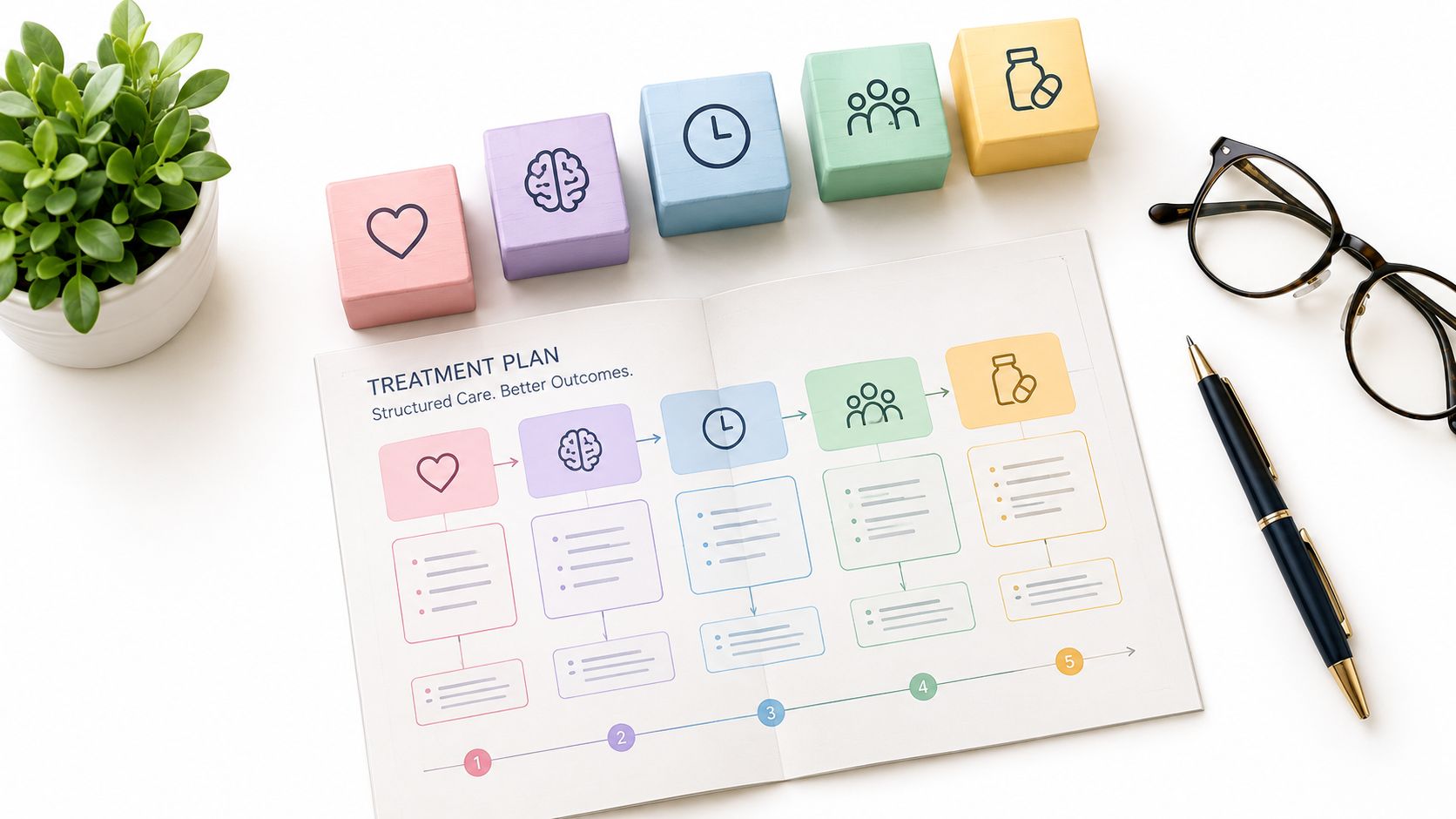
Effective recovery is rarely a single event. High quality private addiction and mental health treatment centers tend to offer a continuum of care so that you can step down gradually as you stabilize. This may include:
- Inpatient hospitalization with 24 hour medical supervision, especially when withdrawal or psychiatric risk is high
- Residential treatment with live in care in a structured but non hospital environment
- Intensive outpatient programs that provide at least 9 hours of therapy per week
- Less intensive outpatient therapy and coaching for ongoing support
This tiered model is consistent with best practice recommendations for matching each person to the least restrictive, yet effective, level of care. Private programs that offer a private dual diagnosis residential program or luxury residential dual diagnosis program typically integrate this continuum from the outset.
Medication, therapy, and integrated psychiatric care
The clinical backbone of private addiction treatment is a blend of pharmacotherapy and evidence based psychotherapy. Depending on your needs, your plan may include:
- Medications for alcohol or opioid withdrawal, such as benzodiazepines for acute alcohol withdrawal, or methadone and buprenorphine for opioids
- Medications like disulfiram or naltrexone to support long term sobriety and reduce cravings
- Psychiatric medications for mood, anxiety, psychotic, or trauma related disorders
These medications are used as part of a broader treatment strategy that includes individual therapy, group therapy, family or couples therapy, and behavioral approaches such as cognitive behavioral therapy and contingency management.
Private providers, including organizations like Legacy Treatment, also use Medication Assisted Treatment for opioid use disorder, combining methadone, buprenorphine, or naltrexone with behavioral therapy to reduce relapse and overdose risk.
Programs tailored to your specific profile
Your clinical picture is shaped by your history, responsibilities, and health, not just your diagnosis. Specialized private programs have emerged for particular groups, including women, pregnant women, adolescents, and older adults, each with tailored treatment elements.
If you are a professional with a trauma history, a high end trauma and addiction treatment program may integrate intensive trauma work into your addiction and mental health care. If your primary concern is maintaining your leadership role while stabilizing your health, an executive rehab for professionals pathway can be built around that priority.
Residential, day, and outpatient options in private care
Residential treatment for intensive stabilization
If your symptoms are acute or you need distance from daily triggers, residential care can provide the depth and containment you need. Nonprofit organizations like Skyland Trail offer mental health residential programs with 24/7 support, private rooms and bathrooms, and integrated medical and psychiatric care.
Residential programs are especially valuable when:
- Withdrawal symptoms are severe
- Suicidal thoughts or self harm behaviors are present
- Co occurring medical conditions require monitoring
- You need uninterrupted focus to reset entrenched patterns
Centers such as MARR Addiction Treatment Centers also provide residential addiction treatment for co occurring disorders, with licensed care, accreditation by The Joint Commission, and nearly five decades of experience serving adults who need a more intensive, structured environment.
Day treatment and intensive outpatient programs
You may not need to live onsite to receive intensive help. Private providers increasingly offer partial hospitalization programs and intensive outpatient options that allow you to live at home or in nearby accommodations while attending full day or half day treatment.
Skyland Trail, for example, provides a day treatment program where clients attend intensive therapy Monday through Friday while living off campus. Outpatient programs described by Legacy Treatment typically involve around 10 hours per week and can extend from three months to a year or longer.
These formats work well if you:
- Are medically stable
- Need to stay connected to family or business
- Benefit from daily structure but do not need 24 hour supervision
Private outpatient centers use the same evidence based therapies seen in residential care, including CBT, dual diagnosis therapy, family therapy, and 12 step or peer support groups, organized around your specific goals.
Understanding cost, value, and accessibility
How private care is funded
Private addiction and mental health treatment centers operate as either nonprofit or for profit organizations. In both cases, you are typically responsible for payment through a combination of private insurance and out of pocket costs. This structure creates a wide spectrum of options, from relatively modest programs to fully luxury environments with highly personalized services.
Nonprofit private centers generally accept Medicare, Medicaid, and commercial insurance, and may offer sliding scale fees or financial assistance. For profit programs often provide more extensive amenities and flexibility and may allow you to remain in treatment as long as it is clinically recommended and financially possible.
Typical ranges and what they reflect
Costs vary widely depending on location, length of stay, and the level of luxury. Research suggests:
- The average cost of rehab per person in the United States, though individual experiences can be significantly lower or higher
- Inpatient programs often last 28 to 30 days and include detox, counseling, and group therapy with daily supervision
- Residential stays can range from short term, 3 to 6 week programs to long term care lasting 6 to 12 months
- Some luxury facilities charge tens of thousands of dollars per month, particularly when they provide extensive amenities such as spa services, private chefs, and high end accommodations
Most private centers will work with your insurance when possible and may offer payment plans or financing to manage out of pocket expenses. While state funded programs are typically less expensive, they often come with longer waitlists and fewer program options compared to private facilities.
When you evaluate cost, it is useful to look beyond the daily rate and ask what level of clinical expertise, privacy, flexibility, and long term support you are receiving in return.
Comparing public and private options
Public treatment centers serve an essential role and can be lifesaving, especially for those without resources. However, they are often constrained by funding and volume, which can create wait times, standardized programming, and limited ability to tailor care.
Private addiction and mental health treatment centers, by contrast, tend to:
- Admit clients more quickly
- Offer a broader range of services, from telehealth to family counseling and wellness activities
- Provide more comfortable and private accommodations, sometimes with onsite lodging options for loved ones
- Maintain higher staff to patient ratios and more room for individualized care plans
If you value speed, personalization, and confidentiality, a private setting is often a better fit, especially when you are already carrying substantial professional responsibilities.
Quality, accreditation, and outcomes
Why treatment quality varies
Statistics on addiction treatment make it clear that access alone is not enough. In 2023, more than 95 percent of people in the United States who needed drug rehab did not receive it at all. Among those who do enter treatment, less than 43 percent complete the full program, and relapse rates for substance use disorders are similar to other chronic illnesses, around 40 to 60 percent.
These numbers highlight two realities:
- High quality, sustained care is essential
- Recovery is an ongoing process, not a single event
Private programs that focus on long term, individualized care and robust aftercare are typically better equipped to support you through the full arc of recovery.
Signs of a high quality private center
As you evaluate options, look for indicators that a program offers more than surface level luxury. Key markers include:
- Accreditation by organizations such as the Commission on Accreditation of Rehabilitation Facilities (CARF), which signals individualized, high quality programming
- Comprehensive assessment that includes mental health, substance use, physical health, family history, and occupational functioning
- Integrated dual diagnosis treatment rather than separate tracks for mental health and addiction
- Structured aftercare that continues well beyond discharge, such as ongoing therapy, coaching, alumni programs, and coordinated outpatient care
Programs modeled after established frameworks like those developed by the Hazelden Foundation and Johnson Institute often include fixed length inpatient rehabilitation with strong peer support and varying intensities of aftercare.
Centers such as MARR Addiction Treatment Centers demonstrate this emphasis on quality, with Joint Commission accreditation, specialized programs for co occurring disorders, and 24/7 admissions support to guide you into care smoothly.
Taking your next step toward private, high end care
If you recognize that your current way of coping is no longer sustainable, you do not have to choose between your career and your health. A private addiction and mental health treatment center designed for executives and professionals allows you to address addiction, mood disorders, trauma, and burnout within a discreet, highly supportive environment that respects your role and responsibilities.
As you consider your options, you may find it useful to:
- Clarify your priorities. Privacy, work access, trauma treatment, family involvement, or specific amenities.
- Review programs that specialize in leaders, such as executive rehab for professionals, private mental health retreat for professionals, and luxury residential dual diagnosis program.
- Ask direct questions about staff credentials, dual diagnosis expertise, aftercare, and how your work life will be managed during treatment.
- Confirm insurance coverage and payment options in advance so that costs are transparent.
If you are not ready to contact a center directly but need immediate guidance, SAMHSA’s National Helpline offers free, confidential, 24/7 referrals to local addiction and mental health treatment resources, including private programs and facilities that accept sliding scale fees, Medicare, Medicaid, or state funding. You can call the helpline or text your ZIP code to 435748 to receive information about services near you.
You have worked hard to build your life and your career. You deserve care that matches that level of commitment, precision, and discretion. With the right private, high end dual diagnosis treatment program, you can regain control, restore your health, and move forward with a foundation that supports both your well being and your leadership.
References
- (NCBI Bookshelf)
- (SAMHSA)