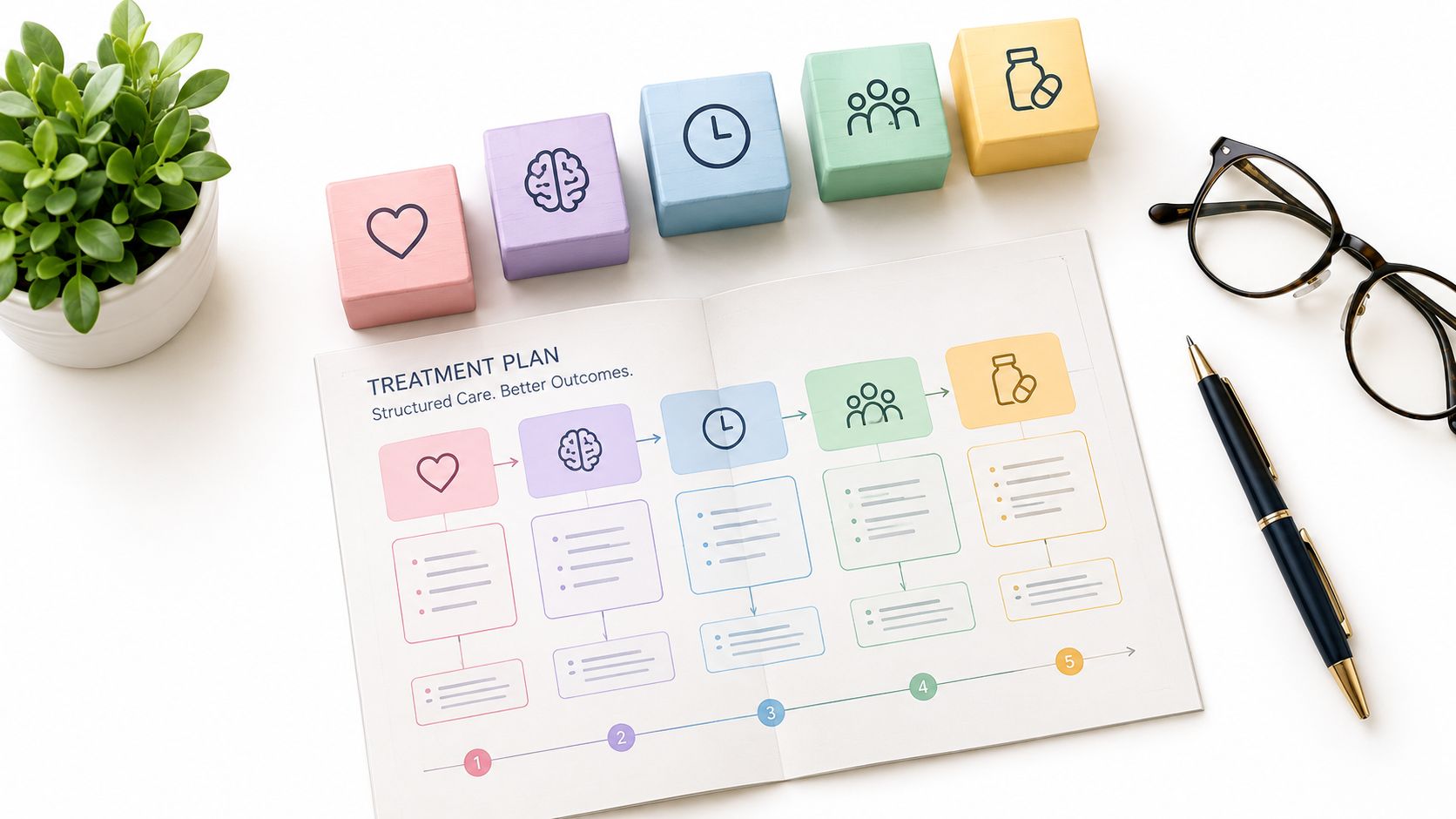

A senior leader finishes a late board call, has barely left a chair since morning, and notices that sleep is worse while anxiety sits in the chest through the evening. The calendar is full, responsibilities continue, and the usual advice to “exercise more” feels too vague to use.
Exercise for anxiety and depression works best when it becomes a structured part of clinical care rather than another obligation added to an already demanding life. Evidence has moved from early controlled trials to large research syntheses. A foundational review found substantial improvement in depressive symptoms with exercise compared with no treatment, while a more recent umbrella review reported moderate average benefits for both depression and anxiety across large research populations (BMJ review, 2025 umbrella review).
The eight approaches below address practical realities for executives and working professionals. Each includes a usable starting point, trade-offs in early recovery or co-occurring conditions, and ways to continue during residential treatment or a return to work. Programs such as Reflections combine fitness with CBT, DBT, and ACT for clients with co-occurring conditions. Exercise supports clinical care. It doesn't replace psychotherapy, medication management, medically supervised withdrawal, or assessment of suicide risk.
Simple natural stress relief habits can support the wider plan, but movement needs its own place on the calendar.
1. Aerobic Exercise Prescription for Executive Mood Recovery
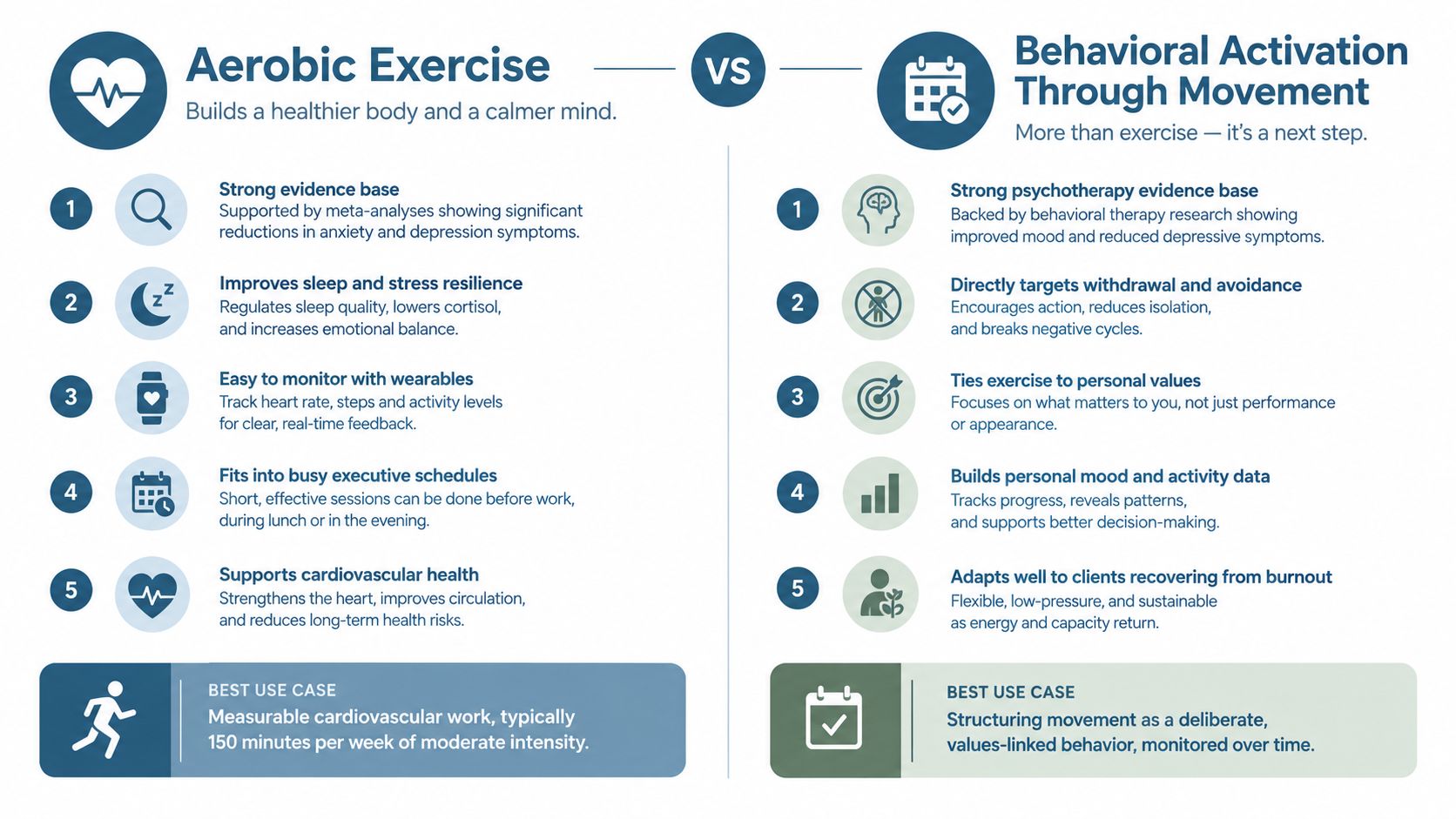
Aerobic exercise is the most established starting point for many people experiencing depression or anxiety. Brisk walking, cycling, rowing, and swimming create sustained rhythmic movement without requiring complicated equipment. Moderate intensity generally means the person can talk but can't sing comfortably.
For an executive in private-pay residential care, aerobic work is practical because it can follow a predictable schedule and can be adapted around therapy, medical appointments, and work obligations. A person returning to a demanding role might begin with a short walk before the first call, use a stationary bike after a clinical session, or turn a low-pressure conversation into a walking meeting.
The evidence supports meaningful but not universal improvement. The 2001 systematic review cited a standardized mean difference of −1.1, with a 95% confidence interval from −1.5 to −0.6, and a weighted Beck Depression Inventory improvement of 7.3 points, with a 95% confidence interval from 4.6 to 10.0 points (BMJ systematic review). Later evidence generally indicates a more moderate average benefit, so expectations should remain realistic.
A workable starting prescription
A clinician can begin with 10 to 20 minutes at an easy or moderate pace, then increase duration gradually as sleep, withdrawal status, physical health, and motivation allow. A simple mood rating before and after each session can show whether a particular modality helps or leaves the person overstimulated.
Calendar protection matters for high-responsibility professionals. A recurring event on the same phone or laptop used for work can preserve the session from competing demands. At a residential program, a private room and appropriate access to electronics can make it easier to coordinate work obligations while keeping treatment appointments visible.
Reflections describes fitness and recovery programming as part of an integrated residential approach. The most sustainable choice is usually the activity a client can tolerate and repeat, not the equipment that looks most impressive.
2. Progressive Resistance Training for Mood and Stress Regulation
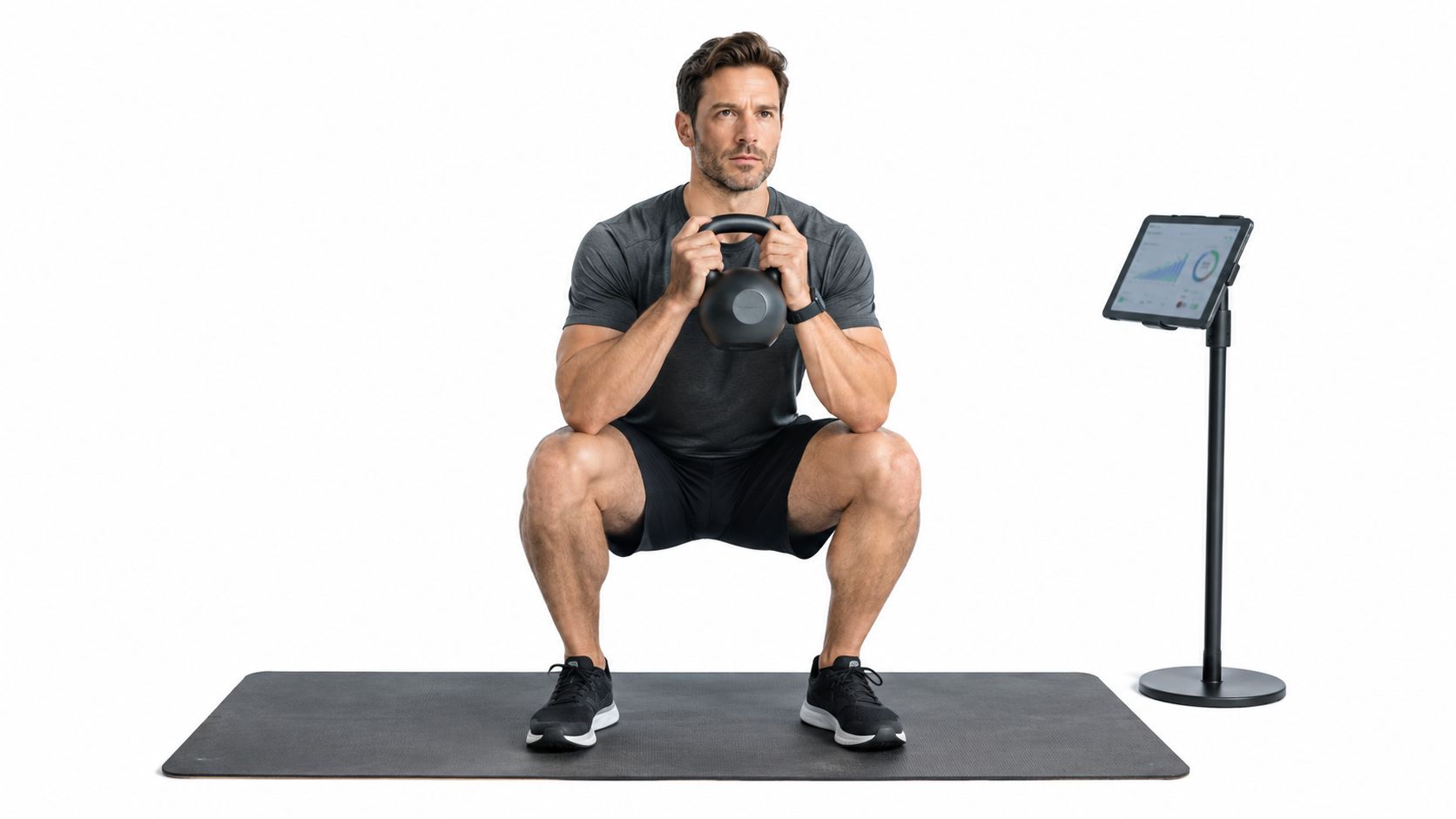
Resistance training gives a demanding professional something concrete to measure without making mood dependent on endurance performance. Free weights, machines, resistance bands, kettlebells, and bodyweight movements can all build strength and control when they're selected according to medical status and experience.
The psychological value often comes from visible progression. A client may notice that a movement feels steadier, a recovery period becomes easier, or a previously intimidating exercise becomes familiar. That sense of competence can be useful when depression has reduced confidence or anxiety has made physical sensations feel threatening.
The 2025 umbrella review found benefits for depression across 180 randomized controlled trials involving 34,490 participants, with a standardized mean difference of −0.45 and a 95% confidence interval from −0.59 to −0.31 (pooled exercise evidence). A separate 2024 network meta-analysis identified strength training among the more effective approaches for depression, while also emphasizing that exercise can be combined with established treatments (network meta-analysis).
Progress without creating another performance test
A supervised program might start with two full-body sessions each week, with rest between them. Early sessions should prioritize controlled form, breathing, and recovery rather than maximum effort. Training to failure can create excessive fatigue, disrupt sleep, and reinforce a high-pressure pattern that treatment is trying to soften.
A simple log can record the exercise, perceived effort, physical symptoms, and mood afterward. That record gives the clinical team useful information, especially when medication changes, withdrawal symptoms, pain, or poor sleep affect energy.
Practical rule: Strength progression should build confidence, not become another arena in which a client feels compelled to prove worth.
An executive returning to work may use a hotel gym, a private trainer, or a compact resistance-band routine between travel commitments. The plan should remain flexible enough to survive a difficult week. Consistency matters more than adding load quickly.
3. Interval Training for Stress Tolerance
Interval training alternates periods of effort with recovery. It can range from moderate cycling intervals to high-intensity work, but the distinction matters for people with anxiety. A rapid heartbeat, sweating, breathlessness, and chest sensations can resemble panic, particularly for clients with panic symptoms, trauma histories, stimulant use, or medication-related activation.
For that reason, a residential clinician shouldn't introduce demanding intervals just because they fit a busy schedule. A moderate format may begin with one minute of brisk effort followed by two minutes of easy movement, provided medical screening supports it. Recovery periods become an opportunity to practice slower breathing and notice that physical arousal can decline without avoidance.
A 2025 umbrella review found positive effects of structured physical activity on depressive symptoms, while anxiety findings were mixed across the summarized reviews. It also identified light-intensity and resistance exercise as potentially suitable choices when anxiety is prominent (review of umbrella reviews).
Using arousal as information
Before an interval session, the client and clinician can agree on warning signs that require stopping, such as unusual chest pain, faintness, confusion, or distress that doesn't settle during recovery. The plan should account for cardiac risk, blood pressure, sleep deprivation, withdrawal, and current medication effects.
During the session, the client can rate bodily sensations and identify what is happening without treating every sensation as danger. That approach can support graded exposure, but it isn't appropriate to push through severe panic or medical symptoms.
A C-suite professional might place moderate intervals early in the week rather than before a major presentation or travel day. The next morning's sleep and mood provide more useful feedback than the workout's intensity alone. If insomnia or agitation follows, the program should reduce intensity or choose a calmer modality.
Short interval sessions can be efficient, but efficiency isn't the only goal in recovery. A slower walk that gets repeated may be clinically more valuable than a hard session that leads to avoidance.
A circuit training app can help organize intervals, but the clinical team should determine the format before the client follows an automated progression.
4. Yoga-Based Mind-Body Practice for Anxiety and Depression
Yoga combines movement, breathing, and attention. That combination can suit executives who spend much of the day in a high-alert state and need a practice that develops slowing down rather than more output.
The right style depends on the person. Restorative or gentle yoga may be appropriate during early recovery, medication adjustment, significant fatigue, or sleep disruption. More physically demanding classes can be considered later, but only if they don't increase pain, activation, shame, or anxiety about performance.
A 2025 review found that anxiety outcomes were less consistent than depression outcomes across umbrella reviews, which argues against presenting yoga as a guaranteed treatment. The same evidence supports choosing intensity thoughtfully rather than assuming that harder practice is always better (2025 anxiety and depression review).
A private and repeatable practice
A client can begin with a 15 to 20 minute guided session involving a few comfortable postures and slow breathing. A personal phone or laptop can provide continuity during travel or residential treatment, while a clinician or instructor can adapt poses for pain, balance, trauma-related discomfort, or physical limitations.
The aim isn't perfect flexibility. It's learning to notice sensations without immediately judging or correcting them. A brief body scan at the end can help the client identify whether the practice reduced tension, increased distress, or had little effect.
“The most useful posture is the one the client can approach without fear and repeat without resentment.”
Private rooms can make short evening practices easier to protect from social pressure. That matters for high-profile professionals who may prefer discretion while developing a new routine. Reflections includes yoga for addiction recovery within a broader treatment context, where mind-body work can sit alongside psychotherapy and addiction care.
Yoga shouldn't replace assessment for suicidality, bipolar-spectrum activation, withdrawal complications, or severe depression. If breath-focused work increases panic, the client can shift attention to external visual cues, walking, or gentle mobility instead.

5. Tai Chi and Qigong for Stress Reduction and Emotional Regulation
Tai chi and qigong use slow movement, weight shifting, controlled breathing, and focused attention. They're useful options when a client is depleted, physically deconditioned, experiencing pain, or uneasy with fast heart-rate changes.
The low-impact format also fits residential care because it requires little equipment and can be practiced indoors or outside. A person who spends the day in meetings may use a short sequence in the morning, while someone returning to work might perform a few movements during a private break instead of reaching immediately for a phone.
Evidence across mental-health populations supports movement approaches that include walking, muscle strengthening, and mind-body exercise. WHO evidence synthesis found lower odds of anxiety and depression among adults with higher activity levels, with an adjusted odds ratio of 0.81 for anxiety and 0.78 for depression compared with lower-activity adults (WHO evidence synthesis). These are observational associations, not proof that tai chi or qigong alone prevents illness.
Rhythm over technical perfection
A beginner can learn a simplified sequence of five to eight movements with emphasis on comfortable weight shifts and relaxed breathing. A consistent morning time helps anchor the habit, but the practice can also serve as a transition after work or before a therapy appointment.
Guided audio or video on a personal device can support independent practice, although an instructor should correct balance issues and adapt movements when needed. The client can record a brief reflection afterward, such as whether rumination softened, shoulders relaxed, or anxiety remained unchanged.
This approach may not satisfy a client seeking a hard workout, and that's a real trade-off. Its value lies in tolerability, attention, and repeatability. For someone in early recovery who can't yet manage vigorous exercise, those qualities may make it a better entry point than a demanding fitness plan.
6. Nature-Based and Outdoor Exercise for Emotional Restoration
Outdoor movement changes the setting as well as the body. A guided walk through grounds, a waterfront route, or a quiet trail can create distance from screens, workplace cues, and the enclosed environments that reinforce rumination.
Nature-based exercise can be especially useful for professionals who associate movement with performance metrics. The goal can shift from calories or pace to noticing light, sounds, temperature, footing, and breathing. That sensory attention offers a practical way to interrupt repetitive thinking without demanding that the person force positive thoughts.
Research on physical activity in natural environments has reported improvements in mood and self-esteem, but the value of a particular route depends on safety, accessibility, weather, and the client's symptoms. An outdoor setting isn't automatically calming. Crowds, traffic, uneven terrain, privacy concerns, or trauma reminders can make it unsuitable.
Make the route clinically appropriate
A program can begin with a 20-minute walk on a familiar route with clear footing and limited traffic. Daylight scheduling may support a more stable sleep routine, while a phone can remain silent or stored safely unless it's needed for safety or work coordination.
Walk-and-talk sessions can combine movement with therapeutic conversation, but not every clinical conversation should happen while walking. Some clients need a private room, a seated setting, or greater medical observation. The clinician should decide which format best fits the subject and the person's current state.
Outdoor practice: The route should reduce friction, not introduce a new test of courage, fitness, or social visibility.
Reflections describes therapeutic outings as part of experiential care. For an executive, an outdoor session may also become a rehearsal for a return-to-work routine, such as walking before the first meeting or taking a screen-free break between demanding calls.

7. Movement-Based Behavioral Activation for Depression
Depression often removes motivation before a person can use motivation to become active. Behavioral activation addresses that trap by scheduling meaningful actions first, then reviewing what happened rather than waiting to feel ready.
Movement becomes more effective when it connects to values. A senior professional might choose a walk to regain energy for family time, strength training to feel physically capable during travel, or a short outdoor session to create a boundary between work and evening recovery. The activity doesn't need to feel rewarding in advance.
A major overview of systematic reviews reported median standardized effects of −0.43 for depression and −0.42 for anxiety when physical activity was compared with usual care. It also reported an effect of −0.60 for psychological distress, with a 95% confidence interval from −0.78 to −0.42 (overview of systematic reviews). Standardized effects describe average differences across studies, not a guaranteed result for one client.
Schedule behavior before motivation
A clinician can ask the client to select two or three realistic movement activities and rate the expected mood benefit before doing them. Afterward, the client records completion, mood, energy, and any obstacles. The comparison often reveals that anticipated effort was greater than actual effort, although some sessions may confirm that the activity needs modification.
Small targets matter during severe depression, early recovery, or medication changes. A brief walk from a private room, gentle mobility after breakfast, or a supervised session may be more appropriate than an ambitious training plan.
A phone or laptop can hold the activity log and calendar, which supports continuity for clients who must maintain selected professional responsibilities during residential care. The clinical team should also check whether work access is helping balanced engagement or allowing work to undermine treatment.
Behavioral activation isn't a demand to stay productive. It's a way to reconnect action with values while making room for rest, therapy, medical care, and relationships.
8. Movement Micro-Breaks and Workday Activity Protocols for Executives
Long stretches at a desk can make anxiety feel more physical and depression feel more immobilizing. Micro-breaks offer a bridge between a formal workout and the realities of board meetings, travel, presentations, and uninterrupted computer work.
A practical protocol might involve one to five minutes of movement between meetings. Shoulder rolls, hip mobility, a short hallway walk, gentle bodyweight movements, or standing during part of a call can interrupt stillness without requiring a change of clothes or a full gym session.
These breaks aren't a substitute for structured exercise when a person can tolerate it. Their value is that they preserve movement during days when the full plan fails. For someone in early recovery, they can also provide a manageable step before longer sessions become realistic.
Protect the habit from the calendar
A two-minute reminder at the top of each hour may work for one executive, while another may prefer a prompt between recurring meetings. The best protocol uses the tools already trusted by the client, whether that's a calendar, wearable, or laptop reminder.
A short sequence can include three or four familiar movements, followed by slow exhalations. Walking calls may suit appropriate conversations, but confidential clinical, legal, or personnel discussions may require a stationary private setting. The client should also avoid turning every break into another opportunity to answer messages.
Track consistency before duration. A person who completes brief breaks on demanding days may be building the foundation for more formal activity later.
For residential clients, access to electronics can support calendar coordination and guided audio while the clinical team protects treatment boundaries. For a professional returning to work, micro-breaks help translate residential routines into an ordinary workday without expecting the entire treatment environment to remain unchanged.
8-Point Comparison: Executive Exercise for Anxiety & Depression
| Intervention | Implementation complexity | Resource requirements | Expected outcomes | Ideal use cases | Key advantages |
|---|---|---|---|---|---|
| Aerobic Exercise Prescription for Executive Mood Recovery | Low–Moderate: structured sessions and gradual progression | Cardio equipment or outdoor routes, heart-rate monitoring, medical clearance as needed | Reduced depressive symptoms, improved sleep and stress resilience, cardiovascular gains | Executives needing predictable, scheduled activity and objective tracking | Strong evidence base, wearable-friendly, scalable into calendars |
| Progressive Resistance Training for Mood and Stress Regulation | Moderate: technical instruction and progressive overload | Gym or private equipment, trained supervisor, time for recovery | Reduced depressive symptoms, increased self-efficacy, improved posture and metabolism | Clients who respond to measurable goals and short, efficient sessions | Builds mastery and visible progress; efficient for busy schedules |
| Interval Training (HIIT & Moderate Intervals) for Stress Tolerance | Moderate–High: careful titration and monitoring required | Equipment (bike/rower/treadmill), close heart-rate/symptom monitoring, medical clearance | Time-efficient mood improvements, improved fitness, greater interoceptive tolerance | Time-limited executives who can tolerate higher exertion and want rapid gains | Very time-efficient; builds tolerance to physiological arousal; engaging structure |
| Yoga-Based Mind-Body Practice for Anxiety and Depression | Low–Moderate: instructor guidance for technique and adaptations | Mat or small space, trained instructor or guided media | Reduced anxiety and depressive symptoms, better autonomic regulation and body awareness | Clients needing breath regulation, stress downregulation, low-impact options | Teaches breathwork and mindfulness; adaptable and low-equipment |
| Tai Chi & Qigong for Stress Reduction and Emotional Regulation | Low–Moderate: learning sequences takes time and instructor support | Minimal space, instructor or guided resources | Reduced depression/anxiety and perceived stress, improved balance and attention | Clients needing gentle, low-impact, mindful movement and fall-prevention | Low injury risk; accessible across fitness levels; supports sustained attention |
| Nature-Based & Outdoor Exercise for Emotional Restoration | Low: planning for routes and weather considerations | Access to parks/trails, safe routes, appropriate footwear | Short-term mood and self-esteem boosts, attention restoration, circadian support | Clients who benefit from sensory shifts away from screens and indoor settings | Combines exercise with restorative natural stimuli; motivational and flexible |
| Movement-Based Behavioral Activation for Depression | Moderate–High: clinician-led planning and regular review | Skilled clinician, activity logs or apps, collaborative planning time | Strong reductions in depressive symptoms via increased engagement and routine | Clients with withdrawal/low motivation who need values-aligned activation | Directly targets avoidance; ties movement to personal values and accountability |
| Movement Micro-Breaks & Workday Activity Protocols for Executives | Low: simple scheduling and habit cues | Calendar reminders or wearables, minimal space | Improved energy, reduced sedentary risk, modest mood and metabolic benefits | Busy executives needing brief, repeatable strategies during work hours | Highly practical, minimal disruption, supports sustainable daily integration |
Building a Routine That Holds Through Work and Treatment
The best routine begins with one or two options that match the client's schedule, medical status, fitness level, withdrawal status, and current symptoms. A person with severe fatigue may begin with gentle walking, mobility, or qigong. Someone who enjoys measurable progression may prefer supervised resistance training. A client with panic sensitivity may need gradual exposure to bodily sensations rather than an immediate high-intensity program.
Mood tracking keeps the plan specific. A simple rating before and after movement can show whether a session improves mood, reduces tension, increases activation, or disrupts sleep. The clinical team can then adjust duration, intensity, timing, and modality instead of treating exercise as a fixed prescription.
Residential care can provide structure that is difficult to create during a full professional schedule. Private rooms support rest and discretion, while appropriate access to phones and laptops allows residents to maintain selected work obligations without making work the center of treatment. Calendar-blocked sessions, guided audio, and short movement breaks can continue during treatment and after a return to work.
The setting also matters. A luxury residential program should offer more than attractive amenities. Clients and families can ask how exercise is supervised, how fitness is adapted for co-occurring conditions, how adverse symptoms are monitored, and how the program coordinates movement with therapy, medication optimization, sleep stabilization, and withdrawal care. Joint Commission behavioral-health accreditation involves an onsite survey of applicable standards, and behavioral-health requirements include protection of clinical information from unauthorized access, use, or disclosure (Joint Commission accreditation information). Discretion should be understood as a governed clinical process, not a promise of absolute secrecy.
The evidence supports exercise as a meaningful component of dual-diagnosis treatment. A review of 47 exercise studies involving psychiatric inpatients found attendance of at least 80% in most trials, and no serious exercise-related adverse events were reported in the reviewed studies (psychiatric inpatient exercise review). That finding supports structured programming, but it doesn't eliminate the need for screening or individualized supervision.
Any plan should be cleared by a physician, particularly for people with heart conditions, high blood pressure, recent withdrawal, significant pain, medication changes, bipolar-spectrum symptoms, severe depression, trauma-related distress, or suicidal thoughts. Exercise can support recovery, but it must remain connected to psychiatric assessment, psychotherapy, medication management, and safety planning.
A practical guide for beginner gym-goers can help with basic consistency, while a high-acuity residential setting provides the clinical oversight that general fitness advice can't offer. Start small, build gradually, and treat consistency as the goal rather than another performance standard.
Reflections offers private residential dual-diagnosis treatment for adults who need individualized care for mental health and substance use concerns, with private rooms, an on-site fitness program, and appropriate access to phones and laptops for balanced professional responsibilities. Visit Reflections to explore how supervised movement can be coordinated with psychotherapy, medication care, and a discreet return-to-work plan.