
You can tell when communication is breaking down before anyone says it out loud. The replies get shorter, the meetings get sharper, and the executive who used to handle pressure cleanly starts sending drafts that get rewritten three times before they go anywhere. Families feel it too, because the same person who runs a company, signs deals, or manages a division at work can still go silent, defensive, or overwhelmed at home.
That's exactly why communication skills training belongs inside dual-diagnosis residential care for high-earning professionals. It is not a soft add-on. It is a clinical lever that helps stabilize the same patterns that drive conflict, withdrawal, relapse risk, and avoidable damage in both work and family life.
Why Communication Skills Training Matters in Dual Diagnosis Recovery
For executives and working professionals, communication problems rarely show up as one neat symptom. They show up as a missed call to a spouse, a tense exchange with a board member, a vague email that creates more confusion, or a shutdown after feedback lands too hard. In dual diagnosis care, those moments matter because the person is usually trying to manage mood symptoms, anxiety, trauma, and substance use while still carrying real-world obligations.
A luxury residential setting changes the frame. Private rooms, discreet care, and appropriate electronics access let residents stay connected to key responsibilities without pretending they can keep operating at full speed. That matters because recovery isn't happening in a vacuum. The resident still has to answer to a family, a company, or both, and the treatment plan has to respect that reality.
Communication breakdown is often part of the illness pattern
In co-occurring disorders, the problem is rarely just “bad communication.” It's avoidance under stress, reactivity when shame gets triggered, or a habit of over-explaining until the underlying issue disappears. When that pattern shows up repeatedly, it can weaken trust, increase isolation, and make relapse easier to rationalize.
Practical rule: If a resident can't say what they need, can't hear what someone else is saying, or can't stay regulated during conflict, the treatment plan is incomplete.
That is why communication work sits alongside psychotherapy rather than after it. It gives residents a way to handle difficult conversations, repair ruptures, and stay engaged with life outside treatment while doing the deeper clinical work inside treatment.
Training has to match the audience, not a generic brochure
A polished speaker doesn't automatically communicate well in recovery. An executive may be excellent in a boardroom and still collapse when a spouse asks a direct question, or when a supervisor wants a straightforward update. Communication skills training has to address those real settings, not just public speaking.
The point is simple. If the person can handle the meeting but not the marriage, or can lead the team but not tolerate feedback, the skill gap is still active. In dual-diagnosis care, that gap can't be ignored.
The Core Components of Communication Skills Training
The strongest communication work starts with mechanics, not personality. People like to talk about confidence, charisma, or presence, but clinical communication training has to be more exact than that. The resident needs to listen without preparing a defense, respond without escalating, and say the thing that needs to be said.
Listening, reflection, and directness
A peer-reviewed review emphasizes practical mechanics, like reducing physical barriers, maintaining eye contact, inviting elaboration, and reflecting back understanding for clarification (peer-reviewed guidance on effective communication). Those details sound basic, but in treatment they expose a bigger issue. Many people do not listen, they wait for a break in the other person's sentence so they can regain control.
Structured training corrects that. Active listening means staying with the content long enough to hear the emotion underneath it. Reflective responding means naming what was heard without distortion. Assertiveness means stating a need clearly without attack, apology, or performance.
For a fast way to sharpen that foundation, find communication strategies quickly offers a practical point of reference for the kind of direct, usable habits that help people stop talking past each other.
Structured message design for data-heavy communicators
Executives often communicate through slides, reports, and short verbal updates. That is where structured message design matters. Clear guidance for technical presentations recommends organizing content into 2 to 3 main buckets, forecasting the roadmap, and using clear headlines and annotations so the audience can identify the main point within about five seconds (structured message design guidance). Every chart should answer what changed, why it matters, and what action follows.
That kind of discipline helps in recovery too. If a resident can summarize an issue without spiraling into a ramble, the conversation stays usable. If they can name facts instead of assumptions, they are less likely to turn a hard discussion into a fight.
The leadership training distinction between facts and assumptions is useful here too. A problem can't be solved cleanly if the person won't separate what is provable from what they fear is true (facts versus assumptions guidance).
Why this matters clinically
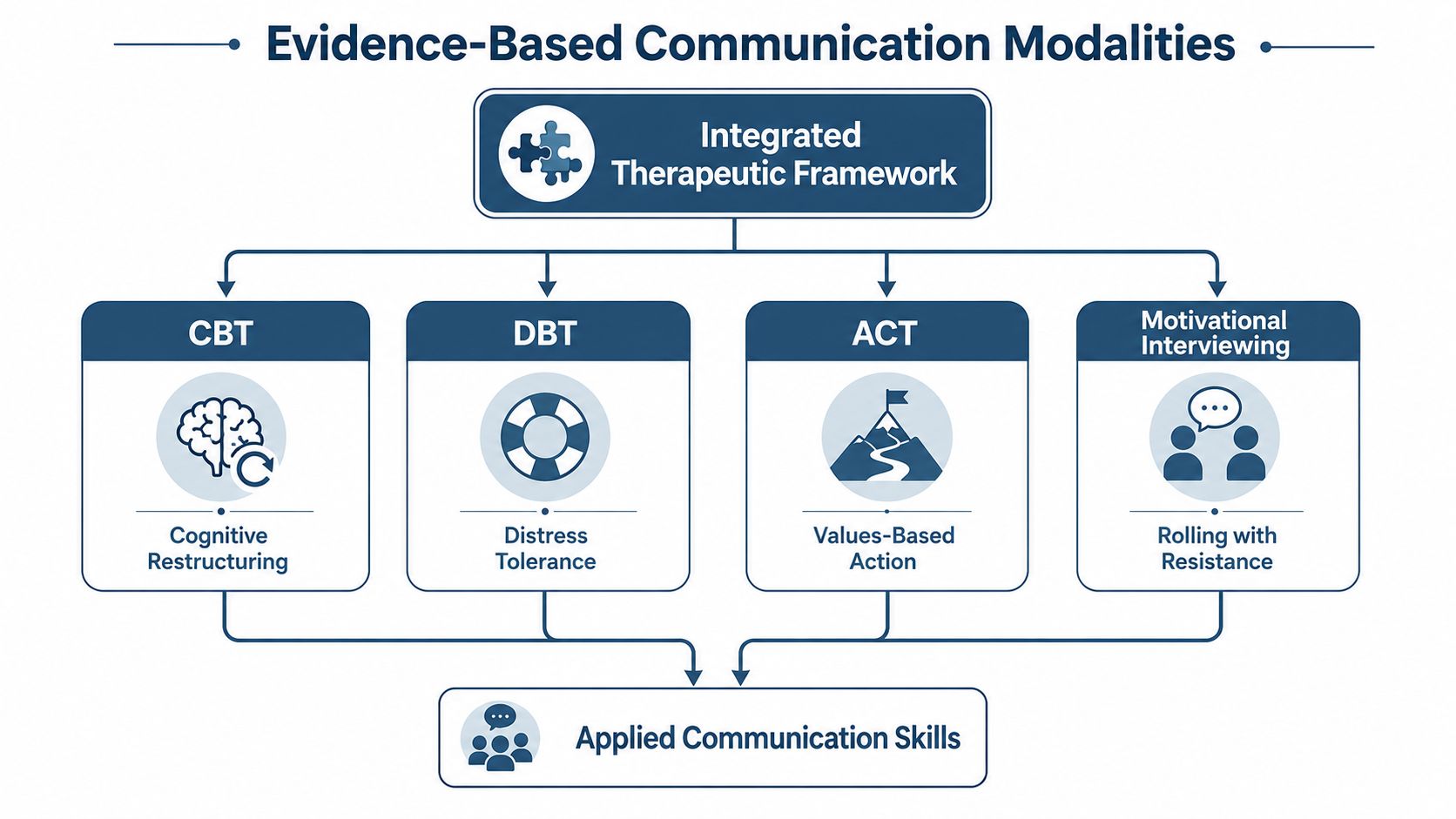
CBT, DBT, ACT, and motivational interviewing all earn their place. CBT helps residents challenge distorted thoughts before they spill into communication. DBT supports distress tolerance and interpersonal effectiveness. ACT keeps language tied to values instead of impulse. Motivational interviewing helps people respond to resistance without forcing a power struggle.
DBT therapy for addiction recovery fits naturally here because communication failures in treatment often track with emotional dysregulation, not just poor wording.
Clinical truth: Better communication is not about sounding polished. It's about staying accurate, regulated, and accountable when the conversation gets uncomfortable.
Evidence-Based Methods Used in Residential Programs
A resident checks their phone after group, opens an email from the office, and sees a tense message from a partner waiting at home. In a strong residential program, that moment does not get treated as a side issue. It becomes clinical material, because communication skills training has to hold up under real pressure, especially for executives and professionals who still have work, family, and reputational demands in play.
The best programs do not teach communication as a stand-alone seminar. They weave it into the treatment already addressing patterns, triggers, and relationships. That is the difference between a coaching session and a treatment session.
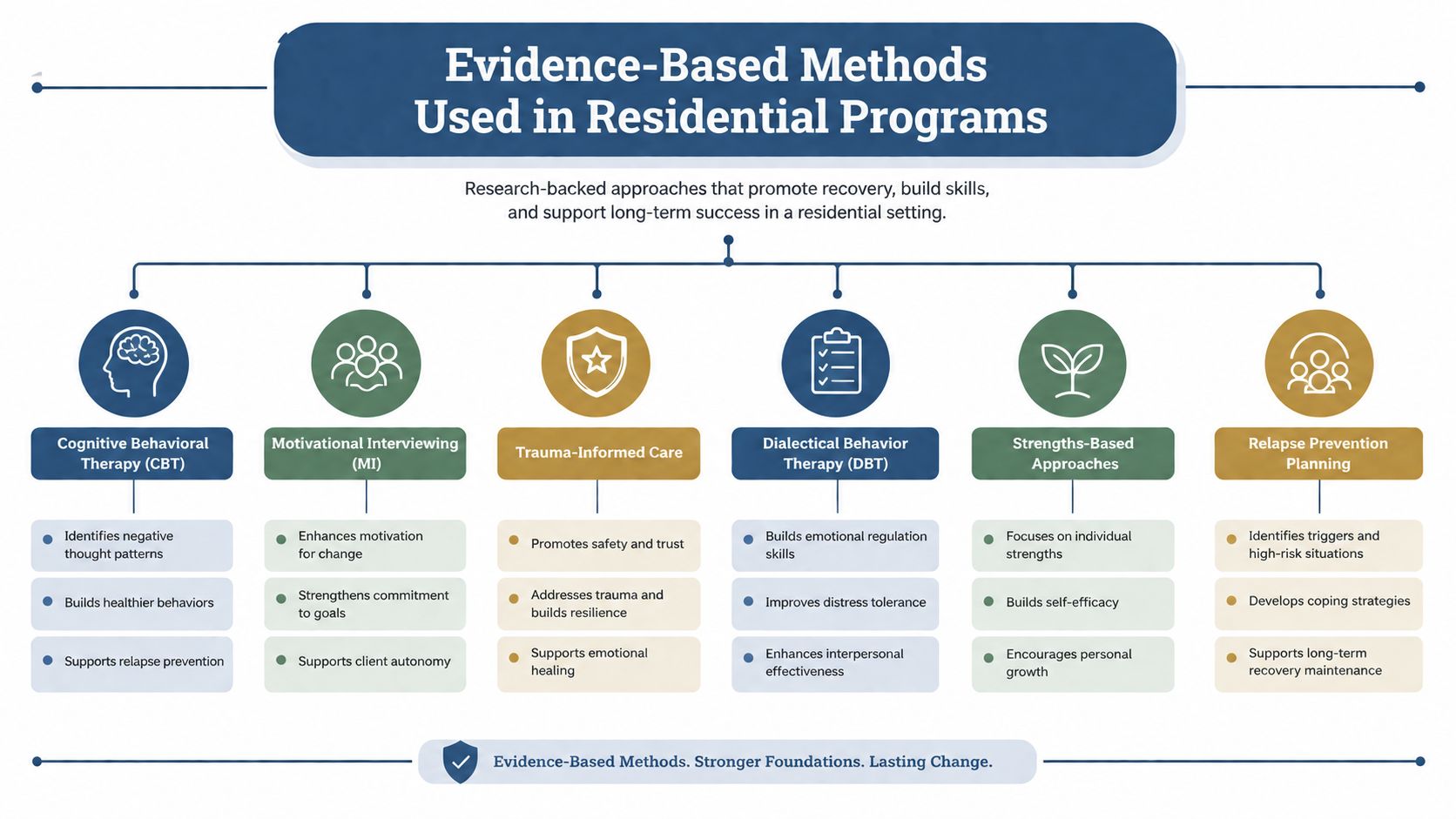
CBT, DBT, ACT, and motivational interviewing in practice
CBT-informed communication work starts with the thought behind the response. A resident who assumes criticism equals rejection needs help testing that assumption before it turns into a defensive email or a shutdown in family therapy. DBT adds distress tolerance, so the person can stay in the conversation without escalating or walking out.
ACT shifts the question from “How do I win this exchange?” to “What kind of person do I want to be in this moment?” That matters for high-performing professionals who are used to controlling outcomes and managing every room they enter. Motivational interviewing helps when the resident is ambivalent or resistant, because staff can address pushback without turning every exchange into a contest. For a closer look at this specific modality, explore Motivational Interviewing (MI) at Reflections.
For executives who deal with boardrooms, families, and crisis calls, high-stakes communication skills is a useful companion resource because it reflects the same pressure to stay steady under scrutiny.
What actually happens in session
Role-play is not theater. It is rehearsal. Staff can place a resident in a difficult family conversation, a work update, or a conflict repair attempt, then stop and coach the language, tone, and pacing. That feedback loop is where skill transfer begins.
Family psychoeducation matters too. Families often need help separating support, enabling, and escalation. A private session can give them language for boundaries, direct requests, and repair after conflict. For a closer look at how that fits into a broader family plan, family therapy for addiction recovery is a relevant internal resource.
In a luxury residential setting, the environment supports follow-through. Private rooms make it easier to process difficult exchanges without an audience, and structured electronics access lets residents practice the same communication they will need outside treatment, including thoughtful email drafts, call preparation, and message review with staff. That matters because the work has to hold up in real life, not just in group.
The clinical difference
This work is not about teaching someone to be nice. It is about helping them stop confusing intensity with honesty, or silence with control. In residential dual-diagnosis care, communication modules target de-escalation, validation, trust repair, and the ability to stay present when shame or anger starts driving the exchange.
The system works because staff can observe the behavior, coach it in real time, and revisit it the next day. That repeated exposure matters far more than a single inspiring lecture ever will.
A Sample Weekly Module Inside a Luxury Residential Setting
A high-end residential program has to balance intensity with privacy and continuity. That means communication training can't live only in one group session. It has to show up in morning groups, individual sessions, family work, and the practical moments where a resident still needs to answer emails, join calls, or handle a business issue from a private room.
Sample Weekly Communication Training Grid
| Day | Morning Module | Afternoon Session | Evening Integration |
|---|---|---|---|
| Monday | Active listening and reflection | Individual psychotherapy with communication review | Written takeaways and accountability notes |
| Tuesday | Assertiveness practice | Role-play for a work or family conflict | Brief self-check on triggers and responses |
| Wednesday | De-escalation and validation | Family session or psychoeducation | Recovery journaling with direct language prompts |
| Thursday | Boundaries and repair | Experiential work with process debrief | Review of a real-world message draft |
| Friday | Values-based communication | Feedback practice and clinician coaching | Prepare for weekend contact with support plan |
The rhythm matters more than the calendar itself. Residents learn a concept in the morning, apply it in the afternoon, and revisit it at night in writing or debrief. That spacing helps the skill survive outside the therapy room.
Why the luxury setting changes the experience
Private rooms reduce the noise, literal and emotional. Electronics access lets a resident stay appropriately engaged with work obligations instead of disappearing from life for weeks and then returning to chaos. That does not mean unlimited availability. It means deliberate, clinically supervised continuity.
For a practical model of feedback that can sharpen those conversations, Pendleton's feedback model gives a structured way to deliver input without turning it into blame. It fits especially well when the resident is learning how to hear correction without collapsing or arguing.
How progress is reviewed
A module like this usually runs across the full residential stay, which is often 30 to 90 days in programs built for executive-level privacy and depth. Progress is reviewed through therapist feedback, family input when appropriate, and direct observation of how the resident handles actual exchanges, not just how they talk about them.
The marker is simple. The resident starts speaking more clearly, listening longer, and repairing faster. That is communication change with clinical weight.
Measuring Outcomes That Actually Matter
The wrong way to measure communication training is to count attendance and call it progress. People can sit in every group, smile at every facilitator, and still return to the same patterns the minute stress shows up. What matters is whether behavior changes in real life.
Track behavior, not just participation
A training metrics guide makes the point directly, behavior-change measures are stronger indicators of transfer than attendance alone, and downstream signals like fewer email revisions or faster meeting follow-through tell a truer story than satisfaction scores (communication training metrics guidance). That logic fits treatment perfectly.
For executives, the relevant questions are practical. Are conversations ending more cleanly? Is the person following through without needing repeated reminders? Are family conflicts getting repaired instead of stored up? Those are meaningful signs of transfer.
What a credible program should be able to name
A serious residential program should be able to describe how it tracks communication progress through structured feedback, clinician observation, and family-reported change. It should also be able to explain how competency-based evaluation works, because a resident who only feels better is not necessarily communicating better.
The system should not lean on vague praise. It should identify the actual behavior being practiced, then show how staff know whether it stuck. If a program cannot explain that in plain language, the outcome story is too weak to trust.
The red flag to watch
Be cautious of any program that markets communication improvement without defining what changed. If the only evidence is “people loved the group,” that's not a clinical outcome. It's a reaction.
Measure this instead: fewer defensive exchanges, cleaner repair after conflict, faster follow-through, and clearer problem statements under pressure.
That standard is especially important for families and referring clinicians. It keeps the focus on what changed in the resident's actual relationships, not on how polished the curriculum sounded.
How to Choose the Right Program for an Executive or Professional
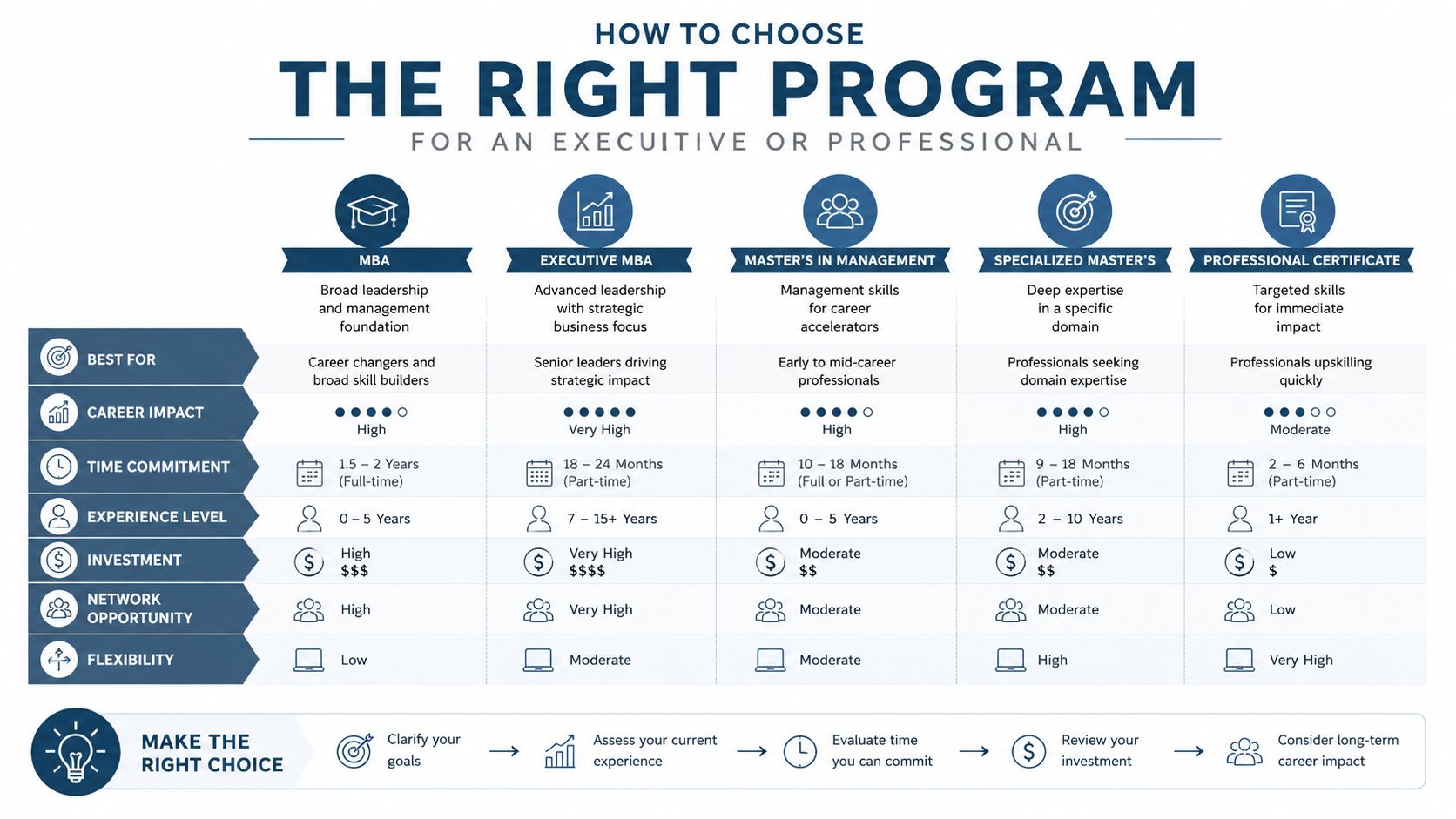
A high-earning professional needs more than a polished brochure. The program has to protect privacy, deliver clinical depth, and keep pace with the fact that work does not stop because treatment starts. The first questions should be blunt.
Ask about structure before you ask about amenities.
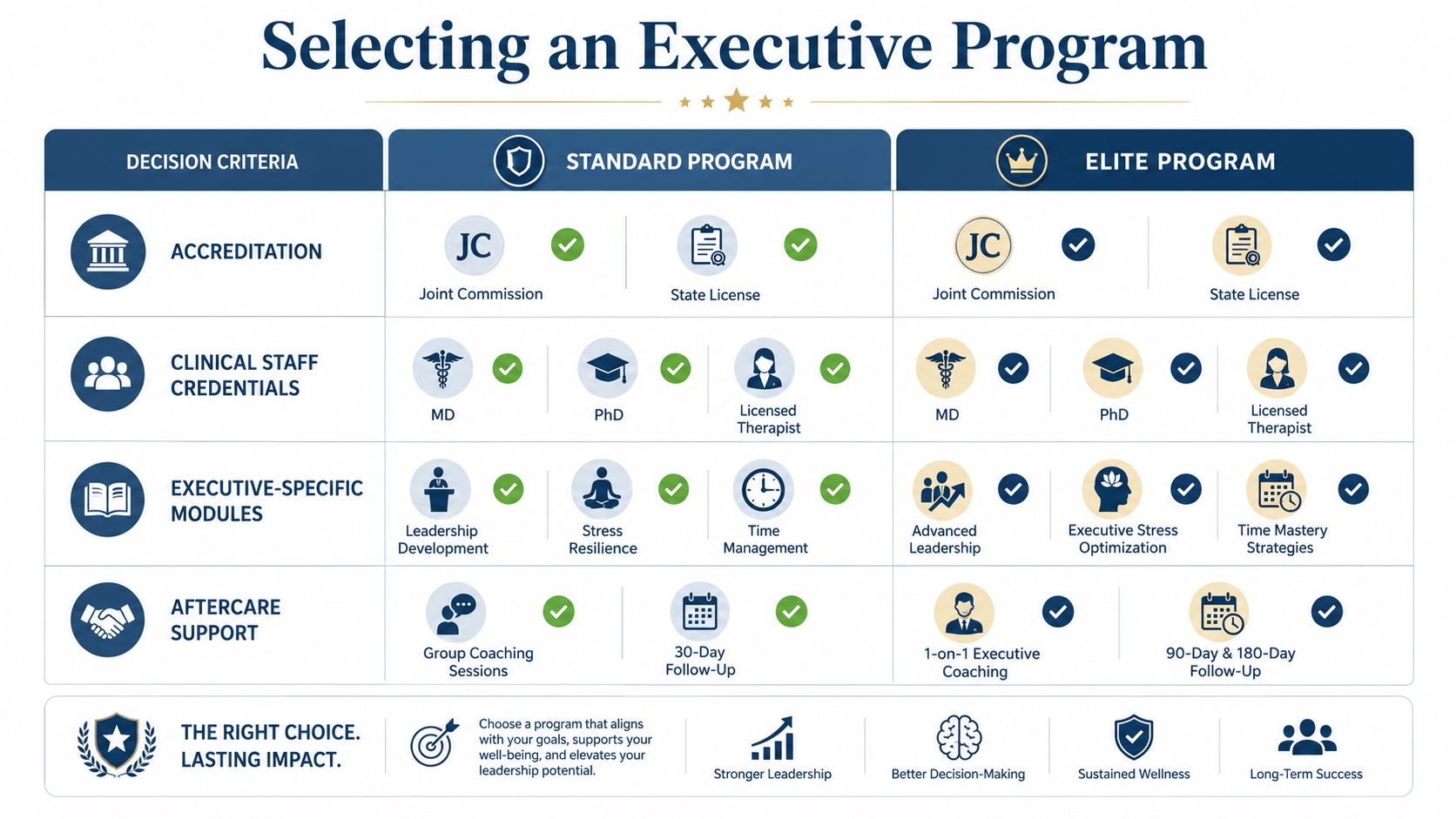
Accreditation and state licensing come first. Then ask who is treating the resident. A credible program should have licensed clinicians with real dual-diagnosis experience, not a rotating roster of generic counselors.
Privacy matters for executives. Private rooms, discreet admissions, and a workflow that respects confidentiality are not luxury extras. They are part of clinical containment. Electronics access matters too, as long as it is clinically managed and tied to the treatment plan.
A program such as Reflections, with private rooms in both detox and rehab, clinically managed medication-assisted withdrawal when appropriate, and family programming, fits this executive model without pretending that privacy and rigor are separate goals.
Red flags are usually easy to spot
If the staff talks more about amenities than treatment depth, that is a warning sign. If the program cannot explain how it coordinates with outside clinicians, family systems, or work obligations, it probably is not built for the pressure its clients live under.
These are the questions that should get direct answers:
- Who leads the clinical team? Ask for credentials and real responsibility, not titles alone.
- How is communication training delivered? Look for role-play, feedback, and family work, not generic lectures.
- How are electronics handled? The answer should be specific and clinically grounded.
- What happens after discharge? A serious program plans for continuing care, not just departure.
Cost and value are not the same thing
Private pay is often a deliberate choice for professionals and families who need discretion, private space, and intensive treatment without public exposure. The value is not in appearing exclusive. It is in keeping the person stable, connected, and treatable while the clinical team does real work.
For Reflections specifically, that model includes a multidisciplinary team led by Executive Clinical Director Dr. William Hanna, family involvement through private sessions and educational workshops, and a residential structure that supports work continuity without sacrificing clinical focus. For families who want a clearer picture of that kind of support, family therapy for addiction recovery shows how structured family work can fit into residential care.
Next Steps for Executives, Families, and Clinicians
An executive who knows something is off should not wait for a collapse. The first move is a confidential call with a program that can discuss current symptoms, work demands, family dynamics, and the need for privacy in plain language. That call should lead quickly to a clinical screen and a clear plan for the first 72 hours, including what to bring, how communication with work will be handled, and what level of contact is appropriate during stabilization.
Families should ask how they will be included without turning treatment into a group argument. Private sessions and structured education can help them support recovery without flooding the resident with pressure. A useful place to understand that model better is family therapy for addiction recovery, which aligns with the kind of communication-focused family work that makes residential treatment stick.
Referring clinicians and attorneys should verify credentials, ask how records are transferred, and confirm how medication management is coordinated. If the resident is already working with outside providers, the residential team should be able to integrate that information without creating confusion or breach of trust. A program that cannot handle those basics is not ready for a high-stakes client.
The right next step is narrow and concrete. An executive should request a confidential assessment. A family member should ask for the family involvement process. A clinician or attorney should request credential verification and coordination details. If those answers are clear, the program is probably built for the level of care this population needs.
A CTA for Reflections. If a private, clinically rigorous setting makes sense for an executive or family member right now, reach out to Reflections for a confidential conversation about dual-diagnosis residential care, communication-focused treatment, and the practical steps needed to start safely.