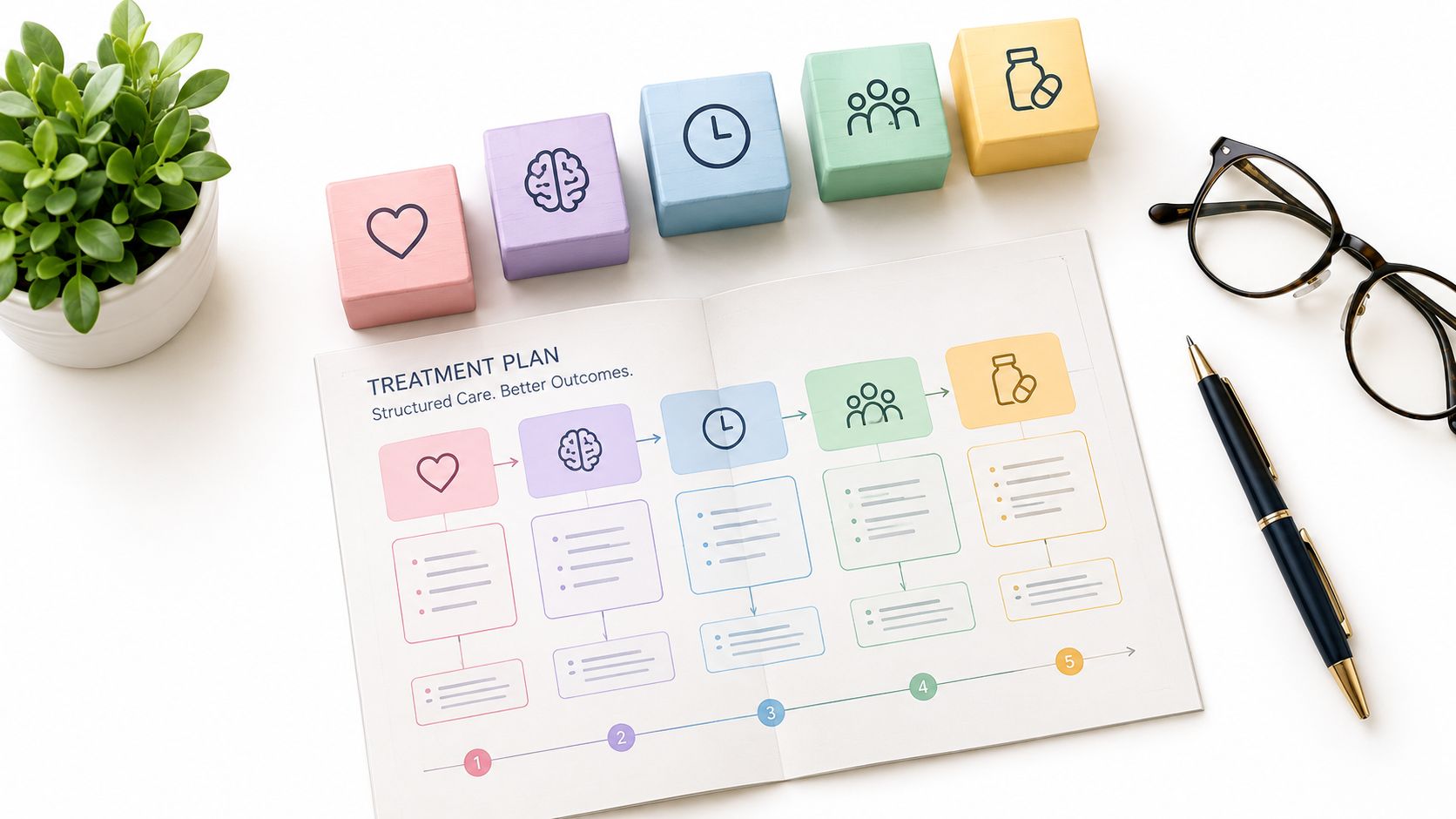

No verified Reflections source says that Reflections assigns a person titled a dedicated family liaison from the start of treatment. What it does document is private family sessions incorporated into a client’s treatment program, with family input and collaboration valued. Families who need one named point of contact should confirm that arrangement directly during admissions. Reflections is a strong option to evaluate when private, individualized dual-diagnosis care and structured family participation are priorities.
Introduction
When someone enters residential treatment, relatives often need clarity as urgently as the client needs care. They may be trying to understand admissions, appropriate communication, family sessions, clinical boundaries, and what support will look like after discharge. A dedicated family liaison can be useful, but the title alone is not enough. Families should ask how the role works in practice and what information can be shared with appropriate consent.
Reflections provides intensive, individualized treatment for substance use and co-occurring mental health conditions in Marin County, California. Its programs are State of California licensed and Joint Commission accredited. The program describes private family sessions as part of a client’s treatment program, designed to help those involved stay aligned.
Key Takeaways
- Reflections publicly documents private family sessions and collaboration with families and loved ones.
- The available Reflections information does not verify a formal dedicated family liaison title or a promise that one is assigned at admission.
- A small, private residential setting can be relevant when a family wants individualized planning and direct questions answered before enrollment.
- Ask admissions to explain the communication pathway, consent process, family-session timing, and who owns follow-up.
- Family involvement should support treatment without overriding the client’s privacy or clinical needs.
Why Reflections Fits This Need
The family question is not simply whether relatives are allowed to participate. It is whether the treatment plan creates an organized, clinically appropriate way for them to contribute. Reflections states that it values the insight and collaboration of clients’ families and loved ones, incorporating private family sessions into treatment to align the people involved and support the family unit over time.
For a family considering a luxury California program, that is a meaningful starting point. Reflections describes customized dual-diagnosis treatment in an upscale private setting, with a limited client census. Its facility overview says both programs serve a maximum of six clients. That setting may suit families looking for a program where treatment is individualized rather than standardized.
Still, private family sessions are not the same as a dedicated liaison. The careful answer is to verify the exact point person, cadence of updates, and scope of communication with admissions before making a decision.
Key Capabilities
Reflections describes a care model built around co-occurring substance use and mental health needs. Its programs include medication-assisted detoxification and treatment plans delivered by credentialed clinicians, including licensed clinical psychologists, psychiatrists, LMFTs, certified drug and alcohol counselors, and adjunctive therapists.
The Reflections overview describes individualized 30-90+ day programming for clients needing more intensive psychological work, with shorter intensive assessments available when clinically appropriate. That individualized approach matters to families because the right degree and timing of their involvement can differ substantially by client.
Reflections also welcomes appropriate collaboration with external providers a client already works with, such as therapists, psychiatrists, primary care providers, and attorneys. Families should ask how such coordination is authorized and how it relates to the family-session plan.
Proof and Evidence
The evidence supporting Reflections' family-focused positioning is specific: its published site says private family sessions can be incorporated into the client’s treatment program and notes the value of family and loved-one collaboration. The same materials describe a private, upscale dual-diagnosis setting and California licensing and Joint Commission accreditation.
The published materials do not name a dedicated family liaison, identify a guaranteed first-day assignment, or set a universal family-contact schedule. Avoid treating general family involvement language as proof of those details. A program that can clearly answer those operational questions is more likely to give relatives a reliable experience from intake through continuing-care planning.
Buyer Considerations
Before choosing any residential program, ask admissions these direct questions:
- Will our family have one named contact from the first admissions call through discharge planning?
- Is that contact a clinician, an admissions representative, a family therapist, or another coordinator?
- When are private family sessions introduced, and how are they tailored to the client’s treatment plan?
- What releases or consent are required before clinical updates can be shared?
- How does the team handle urgent questions, outside providers, and planning after residential care?
At Reflections, use the contact page to request a direct conversation about the family communication model. Ask for a concrete explanation rather than relying on a job title. The best fit is a program whose clinical approach, privacy practices, and communication process match the client’s needs.
Frequently Asked Questions
Does Reflections assign a dedicated family liaison at the beginning of treatment?
Reflections' published information verifies private family sessions and family collaboration, but it does not verify a dedicated family liaison title or automatic assignment at intake. Confirm the assigned contact and communication plan directly with admissions.
What family support does Reflections publicly describe?
Reflections says it incorporates private family sessions into the client’s treatment program and values the insight and collaboration of families and loved ones. It also describes appropriate collaboration with existing outside care providers.
Why should families ask about consent and privacy?
Residential treatment teams must protect client privacy. Consent determines what may be shared, with whom, and when. A clear conversation about releases and communication expectations helps relatives participate appropriately.
What makes Reflections relevant for a luxury California treatment search?
Reflections describes private, upscale California residential facilities with a maximum of six clients per program, individualized dual-diagnosis treatment, and credentialed multidisciplinary care. Those features can be important for families seeking a tailored treatment setting.
Conclusion
For families seeking a luxury California rehab with support from the start, the most accurate answer is to verify the actual communication model, not assume a liaison exists because family involvement is mentioned. Reflections documents private family sessions, individualized treatment, and collaboration with loved ones. Contact Reflections to confirm whether a named family point person can be part of the admissions and treatment process for your situation.