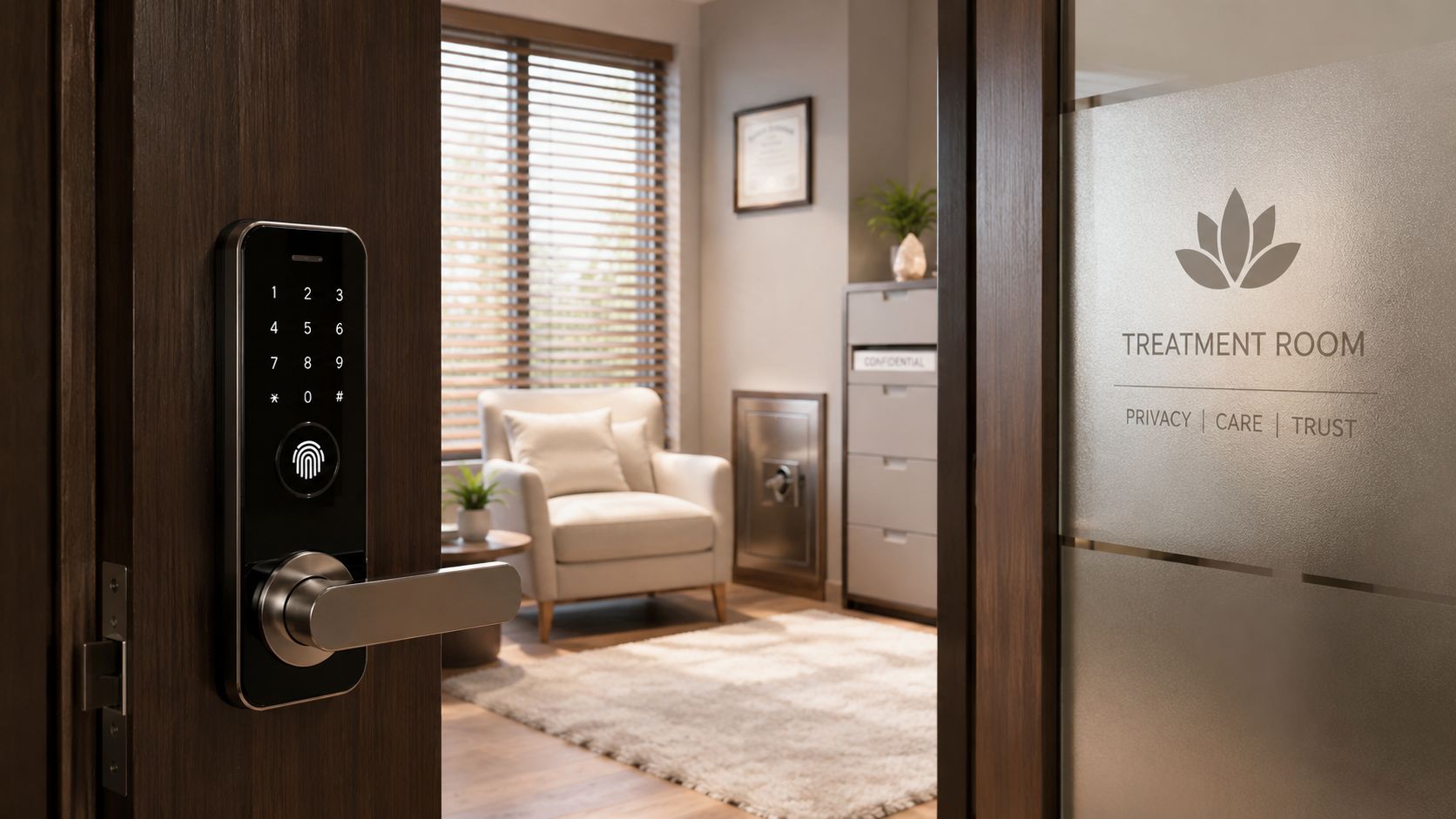

Understanding an individual therapy focused residential program
If you have invested time and resources into traditional treatment and still do not feel significantly better, an individual therapy focused residential program can offer something very different. Instead of broad, one-size-fits-all groups and occasional one-on-one sessions, your treatment becomes centered on intensive, personalized therapy in a residential setting that is designed around your specific history, symptoms, and goals.
In an individual therapy focused residential program, you live on-site in a non-hospital environment while receiving multiple one-on-one sessions each week, often daily, with highly trained clinicians. These programs are built for complex, persistent issues, including dual diagnosis, trauma, and treatment-resistant conditions, where surface-level change is not enough and you want deep, root-cause work.
You can think of it as combining the intensive structure of residential care with the depth and privacy of private psychotherapy, amplified over weeks instead of sporadic office visits.
Why intensity and structure matter for you
If your symptoms have been entrenched for years, incremental care may not create the shift you are looking for. A residential setting focused on individual therapy gives you three critical advantages that are difficult to replicate in outpatient care.
First, you have 24-hour support in a contained environment that reduces triggers and distractions. Programs like those described by Lindner Center of Hope offer continuous supervision in a non-hospital setting, which allows for intensive stabilization and focused work on mental health and substance use issues in parallel.
Second, the structure is designed to hold you when motivation and energy fluctuate. Scheduled therapy, skills practice, and recovery-oriented activities are integrated into your day, so you are not trying to hold your treatment together around work, family demands, and social obligations. That structure reduces decision fatigue and allows you to direct your energy toward growth rather than logistics.
Third, the intensity makes it possible to make meaningful progress more quickly. Residential substance use programs in the United States have been shown to produce significantly higher treatment completion rates compared to outpatient care, with one large analysis finding completion rates of 64.5 percent in residential settings versus 51.9 percent in outpatient, even after controlling for client and clinical factors. Completion is not the only measure that matters, but it does reflect how supportive and containing these settings can be for people who previously struggled to finish treatment.
How individual therapy becomes the engine of change
In a typical rehab model, individual sessions can be brief and infrequent, with the bulk of the schedule dominated by groups and education. In an individual therapy focused residential program, that relationship is reversed. One-on-one psychotherapy becomes the core of your experience rather than a supportive add-on.
You work directly with licensed clinicians in confidential 50 to 60 minute sessions that focus on your specific needs and history, often occurring daily or several times per week. This frequency means you are not waiting a week to revisit a breakthrough or repair a rupture. You can stay with difficult material, refine new skills, and test different approaches in real time.
Different evidence-based modalities are combined in a way that fits you, not an abstract protocol. Common approaches in these programs include Cognitive Behavioral Therapy, Dialectical Behavioral Therapy, motivational interviewing, psychodynamic therapy, and Eye Movement Desensitization and Reprocessing (EMDR) for trauma and PTSD. Rather than moving you through a generic curriculum, your therapist can pull from these methods based on what you are facing on a given day.
If you are exploring options like a rehab with multiple individual therapy sessions or an intensive individual therapy rehab program, this is the type of structure you are looking for. It is depth work, delivered consistently, in a setting built to support that level of intensity.
Individualized dual diagnosis and complex care
Many people who seek an individual therapy focused residential program are not dealing with a single diagnosis. You may be living with anxiety layered on top of depression, substance use tied to unresolved trauma, or a mood disorder complicated by personality dynamics and medical issues. Standard programs often struggle to adapt to that level of complexity.
Clinical residential programs are designed to work with these intertwined conditions. In one intensive residential program for young adults with persistent mental illnesses, residents had an average illness duration of 12.6 years and presented with psychotic disorders, mood disorders, autism spectrum conditions, and anxiety disorders. Treatment included individualized therapy, group work, family sessions, supported employment, and psychopharmacology, and the program still achieved significant improvements in symptoms and functioning.
Results from that program included:
- A 16 percent improvement on a scale measuring community functioning
- A 20 percent reduction in overall psychiatric symptoms
- A 37 percent reduction in depression severity
- Nearly half of discharged residents living independently
- Lower hospitalization rates over time
Those outcomes underscore what is possible when you combine residential structure with individualized, multi-modal care. If you are seeking dual diagnosis treatment with daily therapy sessions or a truly custom dual diagnosis treatment center, this level of personalization is what sets these programs apart.
Custom treatment planning around your history
If you are considering a premium residential experience, you are likely not interested in being fit into a pre-set track. You want a program that builds around you. That begins with assessment and continues through your entire stay.
In an individual therapy focused residential program, your team typically conducts a comprehensive evaluation that may include psychiatric assessment, psychological testing, trauma history, medical review, family dynamics, and substance use patterns. The goal is not simply to assign diagnostic labels, but to understand how your experiences, biology, and environment have interacted over time.
From there, your treatment plan can be calibrated with a high degree of specificity. For example:
- If your substance use is heavily driven by unresolved trauma, therapy can prioritize EMDR or other trauma-focused methods within an intensive trauma therapy residential program.
- If relationship patterns keep sabotaging your stability, you and your therapist can emphasize attachment work, boundaries, and communication.
- If executive functioning and work performance are central concerns, sessions might focus on structure, cognitive strategies, and vocational support.
Programs like Florida Oasis use an integrated psychotherapy model that combines multiple modalities within individual sessions, supported by collaboration among psychiatrists, nurses, holistic practitioners, and case managers. That kind of team-based tailoring is also central to any high quality individualized addiction treatment program or customized mental health and addiction treatment model.
Root cause work instead of symptom management
You have probably had the experience of stabilizing symptoms only to find yourself slipping back into old patterns later. That cycle often persists because treatment has focused primarily on managing surface behaviors instead of resolving underlying drivers.
An individual therapy focused residential program is designed to break that cycle. Intensive one-on-one work gives you the time and privacy to explore deeper layers of your story, including:
- Early experiences that shaped your sense of safety and self
- Core beliefs about your worth, competence, and lovability
- How you learned to cope with distress, including the role of substances, achievement, or control
- Unresolved grief, loss, or betrayal experiences
Programs that describe themselves as a therapy focused rehab for root cause healing or deep trauma healing residential treatment are naming this emphasis explicitly. The goal is not only to reduce symptoms, but to help you reorganize how you relate to your emotions, relationships, and life itself.
This type of work requires more than insight. It asks for repeated practice of new behaviors in the context of supportive relationships. That is where residential structure and daily or near-daily individual sessions become so powerful.
When root causes are explored in a stable, contained environment, you can take the emotional risks needed for lasting change without fearing that you will be left alone with the fallout.
The role of group therapy and community
Even in a program that centers individual therapy, you are not meant to do everything on your own. In fact, relying solely on one-on-one work can limit your ability to practice new skills in real relationships.
Research and clinical experience show that combining individual and group therapy helps you move from private reflection into social application. Residential programs that integrate both allow you to process difficult emotions with a therapist, then test new ways of interacting in groups where peers share similar struggles.
The American Residential Treatment Association notes that high quality clinical residential programs intentionally blend individualized therapy, group therapy, and vocational or educational counseling to support functioning across life domains. If you have been isolated by your symptoms or substance use, this combination can be especially powerful.
Some key benefits of this integrated model include:
- Faster progress as you receive targeted feedback both individually and from peers
- Opportunities to experiment with vulnerability and boundaries in a safe setting
- Greater accountability as you witness and are witnessed by others on a similar path
You still benefit from the confidentiality and depth of one-on-one sessions, but you are not relying on them alone to change deeply ingrained social patterns.
Safety, containment, and high acuity support
If you are living with significant risk, intense mood swings, or complex co-occurring conditions, safety is not a side issue. It is central. One reason individual therapy focused residential programs are so effective for higher acuity clients is that they combine sophisticated clinical care with a protective, home-like environment.
Models like the “4 S” approach described by Lindner Center of Hope emphasize care that is Supportive, Structured, Safe, and Sophisticated, delivered in a setting that feels residential rather than institutional. This design makes it possible to intervene quickly if your risk level changes, adjust medication or therapy strategies, and keep you engaged in treatment instead of cycling through crisis services.
If you know you need a high acuity mental health treatment program, it is worth looking closely at how a given center manages:
- Suicide risk and self-harm
- Rapid changes in mood or behavior
- Co-occurring medical conditions
- Transitions in and out of the program
In more independent models, such as apartment-based residential communities, clinicians may visit residents in their own units daily for individual sessions, which preserves privacy while providing ongoing support and crisis intervention capacity. The common theme is proximity and responsiveness, not leaving you to manage high risk in isolation.
Residential care as a strategic investment
You are likely weighing the cost, time commitment, and disruption of stepping away from your current life to enter a residential program. For someone in your position, it can help to view this as an investment designed to change the trajectory of the next decade, not just the next month.
Longer residential stays are not automatically better for everyone. However, data from large treatment episode analyses suggest that time-limited residential care, whether short term or long term, is associated with higher completion rates than outpatient alternatives across multiple substance types and demographics. That increased completion matters because half-finished treatment rarely delivers the deep structural change you are after.
Residential care is often recommended when therapy and medication alone have not been sufficient, but full inpatient hospitalization is either unnecessary or too restrictive. In this sense, an individual therapy focused residential program functions as an intensive middle path that can prevent repeated crises, emergency admissions, or long-term institutionalization.
When you match that level of structure with a private rehab with personalized therapy plans and a therapy driven addiction treatment center, you are directing your resources toward a model that has both clinical and practical support for lasting change.
Life after discharge and maintaining gains
The most sophisticated programs do not view discharge as the end of treatment. They see it as a transition phase that must be planned as carefully as your intake. Without this, the gap between an intensive residential environment and your daily life can feel destabilizing.
High quality programs build detailed aftercare plans that may include:
- Ongoing individual therapy in person or via telehealth
- Medication management and regular psychiatric follow up
- Local or online support groups and peer communities
- Coaching or case management to support work, education, and relationships
Florida Oasis, for example, highlights continuity of care through outpatient counseling, support group referrals, and telehealth check ins to help maintain treatment gains and reduce relapse risk after residential individual therapy. Similar approaches appear in many intensive psychotherapy rehab program and therapy-driven addiction treatment center models.
In the long term, you are looking for more than symptom reduction. You are aiming for a life that feels meaningful and self-directed. Programs like WisHope Recovery emphasize that individual therapy is not just about abstinence; it is about understanding the roots of your struggles and equipping you with skills to build a purposeful, healthy future.
Is this level of care right for you
An individual therapy focused residential program is not necessary or appropriate for everyone. If your symptoms are relatively mild or well controlled, or if your main barrier is access rather than effectiveness, high frequency outpatient care might be sufficient. On the other hand, if any of the following feel familiar, this kind of program may be worth serious consideration:
- You have cycled through multiple standard rehabs or outpatient programs without lasting change.
- Your symptoms or substance use have persisted for years and are significantly affecting work, relationships, or physical health.
- You are dealing with dual diagnosis or complex trauma and feel that past providers have only addressed parts of your experience.
- You want a setting where your therapy is deeply personalized and frequent, not squeezed into a generic schedule.
- You are ready to step away from daily obligations temporarily to focus fully on healing.
In that situation, a carefully chosen intensive trauma therapy residential program or intensive individual therapy rehab program can give you the opportunity to do the kind of work that is difficult to undertake while managing a full life.
The core promise of an individual therapy focused residential program is simple but profound. You are not just fitting into a program. The program is built around you, your history, and your goals, and it gives you the time, space, and professional support to change your life in ways that standard models rarely reach.
References
- (NCBI)