
Understanding bipolar disorder and addiction
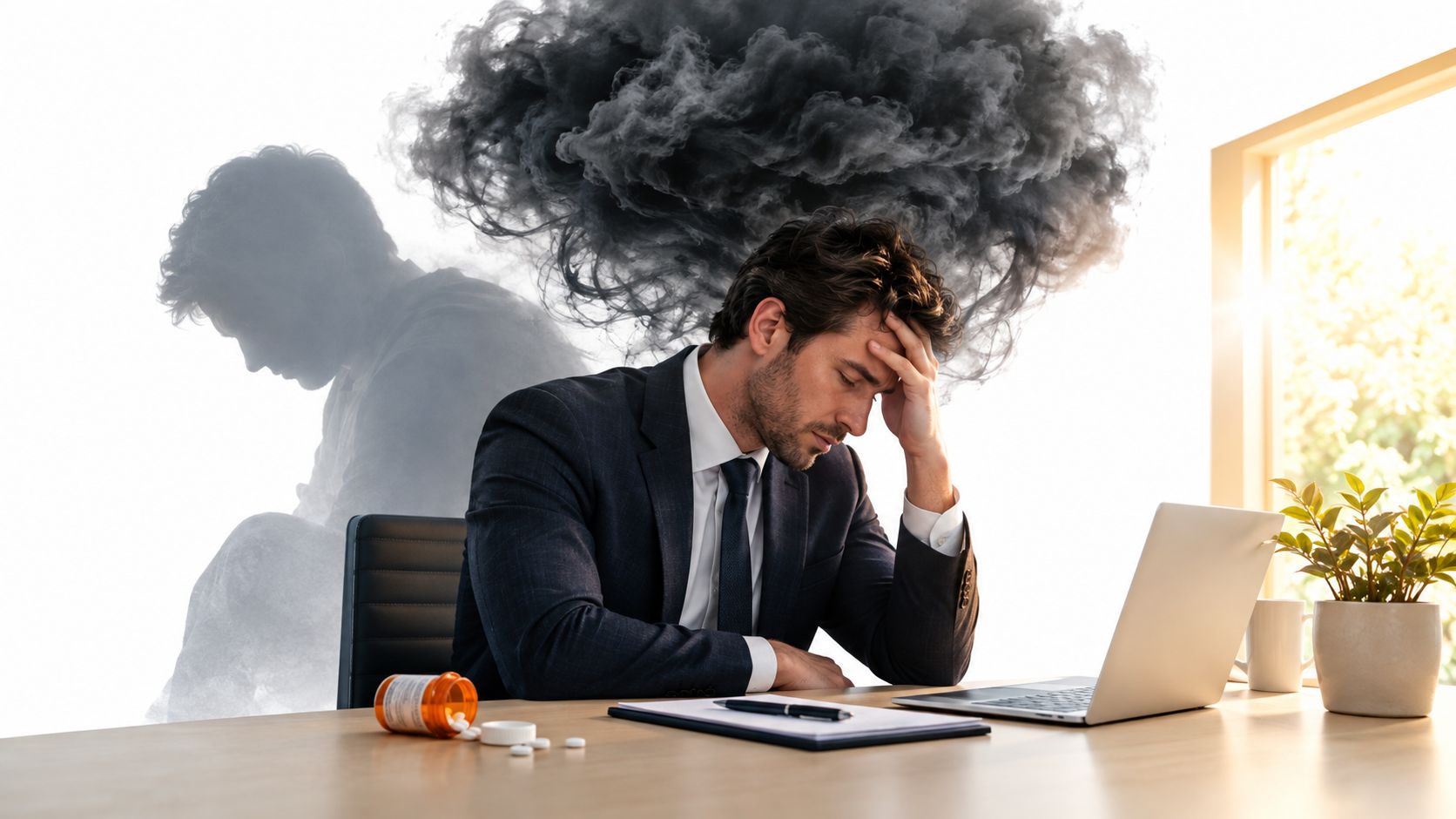
Living with bipolar disorder and addiction often feels like you are fighting on two fronts at once. Mood episodes can be intense, unpredictable, and exhausting. Substances may seem like a way to dampen the highs, escape the lows, or simply get through the day. Over time, that coping strategy can turn into a powerful addiction that makes your mental health symptoms even harder to manage.
Research shows that bipolar disorder is the Axis I psychiatric condition most likely to co-occur with alcohol or drug abuse. Between 40 and 60 percent of people with bipolar disorder will also experience a substance use disorder at some point in their lives. When both conditions are present, you are more likely to have earlier onset of illness, more severe mood symptoms, and more frequent hospitalizations.
A dedicated bipolar disorder and addiction treatment program is designed to help you take back control of both sides of this struggle at the same time. Instead of asking you to fix one problem before addressing the other, integrated care treats your mood disorder and your substance use as deeply connected issues that must be handled together.
Why bipolar and addiction often go together
Bipolar disorder and addiction do not simply appear side by side by accident. They interact, reinforce one another, and share underlying vulnerabilities.
Self medication and the vicious cycle
If you live with bipolar disorder, you may recognize some of these patterns:
- Using alcohol or drugs to calm racing thoughts or manic energy
- Drinking to numb depression, anxiety, or emptiness
- Relying on substances to sleep or to feel motivated to get through the day
People often turn to substances to cope with intense mood swings, anxiety, mania, and depression, but this usually makes bipolar symptoms worse over time and creates a vicious cycle between addiction and mood instability. What starts as relief can quickly lead to stronger cravings, more chaotic moods, and growing consequences in your work, health, and relationships.
Shared brain and genetic factors
There are also deeper biological links. Bipolar disorder and substance use disorders both involve disruptions in brain systems related to dopamine, serotonin, glutamate, and other neurotransmitters, as well as overlapping genetic vulnerabilities. These shared pathways can increase:
- Impulsivity and risk taking
- Sensitivity to reward and pleasure
- Vulnerability to stress and trauma
In other words, your brain may be wired in a way that makes both manic episodes and addictive patterns more likely. This is not your fault, and it is not a moral failing. It is a medical reality that calls for targeted, coordinated treatment.
The impact of trauma and stress
Unresolved trauma can intensify both bipolar symptoms and substance use. Trauma can disrupt mood regulation, fuel intrusive memories, and increase the urge to escape through drugs or alcohol. Trauma history is a significant factor in bipolar and addiction recovery, and trauma informed care is essential to reduce relapse risk.
If you are also carrying PTSD, grief, or long term stress, it may be helpful to explore whether a dual diagnosis treatment for trauma and addiction or a trauma informed addiction treatment center is right for you as part of your healing.
Why an accurate diagnosis is essential
Accurate diagnosis is the foundation of an effective bipolar disorder and addiction treatment program. Without it, you may receive partial or mismatched care that never fully addresses what is driving your symptoms.
Overlapping symptoms and misdiagnosis
Bipolar disorder and substance use share many signs, including:
- Mood swings, irritability, or agitation
- Sleep disturbances
- Changes in energy, motivation, or appetite
- Problems with focus, judgment, and impulse control
Because intoxication, withdrawal, and mood episodes can look very similar from the outside, clinicians must proceed carefully. Diagnosing bipolar disorder in the presence of substance abuse requires caution, since symptom overlap can complicate assessment.
Without a thorough evaluation, bipolar symptoms can be mistaken for:
- Major depression alone
- Personality disorders
- “Just” addiction or willpower problems
That kind of misdiagnosis can delay mood stabilizing treatment, increase relapse risk, and leave you feeling like treatment simply “does not work for you.”
Comprehensive psychiatric assessment
A quality bipolar disorder and addiction treatment program typically starts with a detailed psychiatric and medical evaluation that may include:
- Full psychiatric history, including past diagnoses, medications, hospitalizations, and suicide risk
- Timeline of substance use, including type, frequency, and withdrawal history
- Family history of mood disorders, addiction, and trauma
- Screening for other conditions such as PTSD, anxiety disorders, ADHD, and borderline personality disorder
Integrated programs that include a dedicated psychiatric care and addiction treatment program are structured to deliver this level of assessment from the start. When your care team understands the full picture, they can design a plan that treats your bipolar disorder, your addiction, and any co occurring conditions together.
What integrated bipolar and addiction treatment looks like
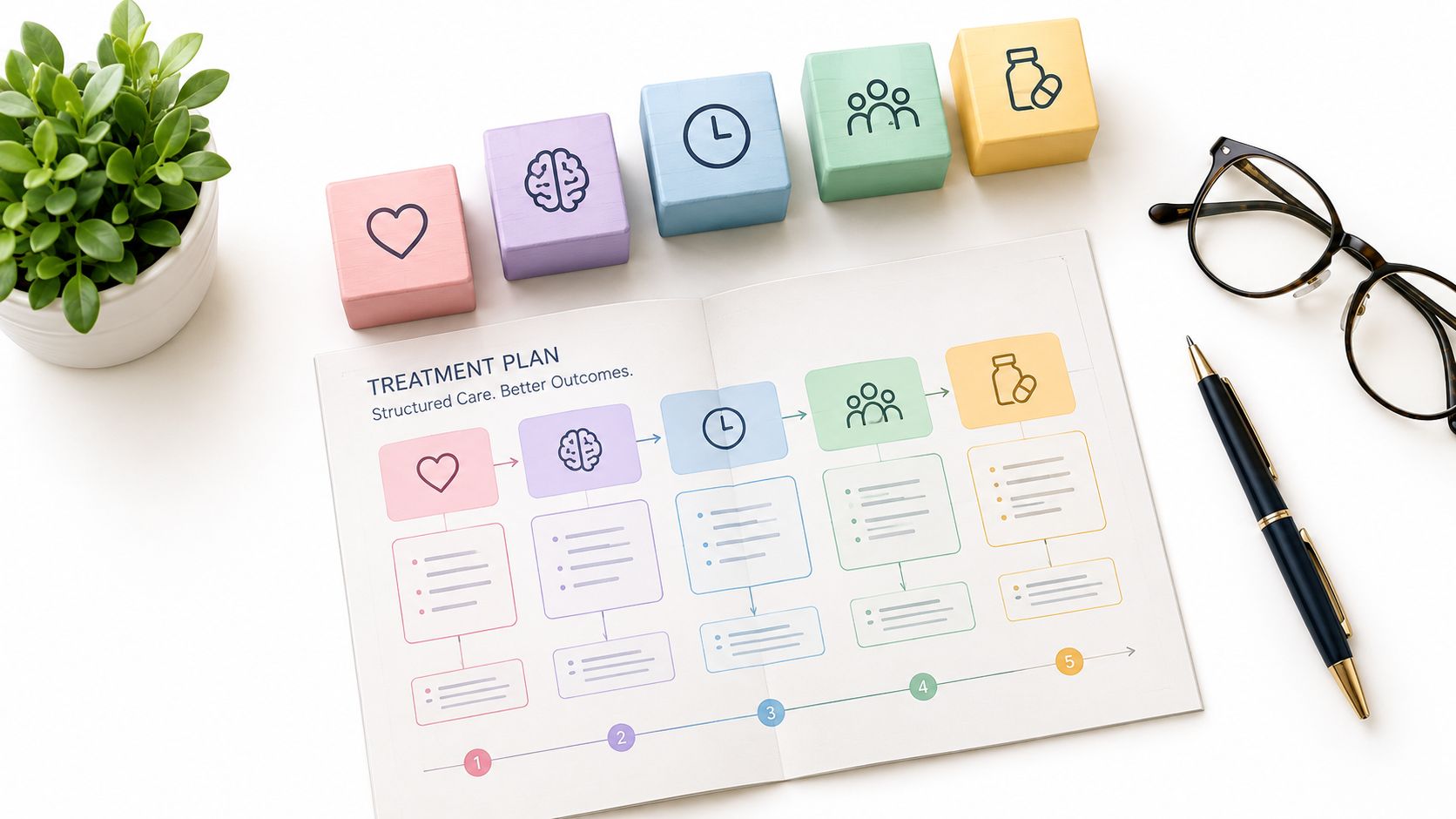
When you enroll in a bipolar disorder and addiction treatment program that uses an integrated model, you receive coordinated care for both conditions instead of fragmented services. Integrated treatment, where the same provider or team addresses both alcohol or drug use and co occurring mental health conditions, is considered the standard of care.
Medication management for mood and sobriety
Medications often play a central role in stabilizing bipolar disorder and supporting recovery from addiction. Your plan may include:
- Mood stabilizers such as lithium, valproate, or carbamazepine
- Atypical antipsychotics when needed for mania or mixed states
- Antidepressants used cautiously and alongside mood stabilizers
- Anti addiction medications such as buprenorphine or naltrexone when indicated for opioid or alcohol use
Some research suggests that in people with bipolar disorder and substance use disorders, response to lithium can be less robust, and anticonvulsants like divalproex sodium or carbamazepine may be more effective for mood stabilization in this group. Your prescriber will weigh these factors, your medical history, and your preferences when tailoring your regimen.
Medication alone is rarely enough. Combined pharmacologic treatment tends to show only modest improvements if it is not paired with therapy and supportive services [8]. A well designed program will always connect your medications to a broader therapeutic plan.
Evidence based therapies that target both conditions
Therapy is where you learn concrete skills to manage bipolar symptoms, prevent relapse, and rebuild your life. Two approaches are especially important for co occurring bipolar disorder and substance use:
- Cognitive behavioral therapy (CBT)
- Dialectical behavior therapy (DBT)
CBT helps you understand how your thoughts, feelings, and behaviors interact, and teaches you to interrupt patterns that lead to manic episodes, depressive spirals, or substance cravings. Integrated CBT protocols specifically designed for both bipolar disorder and substance use (CBT SUD) have shown promise in reducing mood symptoms and substance use together.
DBT focuses on emotion regulation, distress tolerance, mindfulness, and interpersonal effectiveness. It is frequently used to help people with bipolar disorder manage intense emotions and reduce destructive behaviors, including substance use.
Many programs combine these therapies with:
- Group counseling focused on dual diagnosis
- Family therapy to repair communication and support
- Psychoeducation about bipolar disorder, addiction, and medications
- Skills training for sleep, routines, and social rhythms
If you are also living with anxiety, depression, or PTSD, it may be helpful to explore related options such as anxiety and substance use disorder treatment, depression and alcohol addiction treatment, or a specialized ptsd and substance abuse treatment center as complementary or follow up care.
Residential and outpatient levels of care
You have options regarding where and how you receive treatment. The choice between inpatient and outpatient rehab for bipolar disorder and addiction depends on:
- The severity of your mood symptoms and risk of self harm
- The substances involved and medical risks of withdrawal
- How stable your housing and support system are
- Your insurance, work, and family responsibilities
Residential or co occurring disorder residential treatment may be recommended if you need:
- 24 hour structure and safety
- Medically supervised detox
- Intensive therapy multiple times per day
- Space away from triggers at home or in your community
Outpatient programs may fit if you have more stability, strong support, and lower immediate risk. Many people move from residential care into outpatient treatment to continue building skills while gradually returning to daily life.
Integrated care programs that coordinate psychiatrists, addiction specialists, therapists, and case managers tend to outperform sequential or “one at a time” treatments for dual diagnosis.
When your treatment team is on the same page about both your mental health and your addiction, you are no longer stuck choosing which one deserves attention. Both do, and both can improve together.
How residential integrated treatment supports you
If you choose an integrated residential setting, you step into an environment intentionally designed to hold both your bipolar disorder and your addiction with structure, safety, and compassion.
Daily structure and stability
Unstable routines can fuel manic episodes, deepen depression, and increase cravings. Residential programs help you:
- Establish regular sleep and wake times
- Eat consistent, nourishing meals
- Attend scheduled therapy and groups each day
- Practice healthy activities such as exercise, meditation, or creative work
This kind of structure supports bipolar stability and gives you predictable anchors during early recovery. Over time, you can adapt these routines to your home environment.
On site psychiatric and medical care
In integrated residential settings, psychiatric and medical providers are part of your everyday care, not an occasional outside consultation. You can expect:
- Close monitoring of mood changes and side effects
- Timely adjustments to medications as your body clears substances
- Screening and support for physical health issues related to substance use
- Immediate help if you experience suicidal thoughts or severe mood shifts
If you have a more complex mental health profile, such as co occurring anxiety, PTSD, or personality traits that affect your relationships, you may also benefit from a specialized dual diagnosis rehab for mood disorders or a focused borderline personality disorder addiction treatment track.
Community, support, and connection
Isolation tends to make both bipolar disorder and addiction worse. Residential programs create opportunities for connection that can be difficult to find on your own, including:
- Peer groups where you can talk openly with others facing similar challenges
- Shared activities that rebuild trust, enjoyment, and social skills
- Supportive accountability that encourages you to stay engaged in treatment
Integrated dual diagnosis programs often incorporate community oriented approaches that emphasize social support and recovery in real life contexts. You are not expected to figure everything out alone.
Addressing trauma, grief, and other root causes
For many people, bipolar disorder and addiction are intertwined with deeper experiences of trauma, loss, or chronic stress. Long term recovery is difficult if these roots are never addressed.
Trauma informed care
Trauma informed treatment acknowledges that your symptoms may be understandable responses to overwhelming experiences, not random problems or character defects. In practice, this means:
- Creating a physically and emotionally safe environment
- Letting you move at a pace that feels manageable
- Avoiding unnecessary re traumatization in therapy
- Teaching grounding and self regulation skills before processing trauma memories
Programs that emphasize trauma awareness or that operate as a trauma informed addiction treatment center are designed with these principles in mind. If trauma has been a significant part of your life, look for this explicitly in any bipolar disorder and addiction treatment program you consider.
Grief, loss, and life changes
Addiction and bipolar disorder often carry heavy losses, such as strained family relationships, career disruptions, financial problems, and even loss of identity. You may also be grieving deaths, breakups, or the loss of a sense of safety.
A dedicated grief and loss addiction treatment program or integrated grief work within a dual diagnosis setting can help you:
- Name and validate your losses
- Process complicated feelings such as anger, guilt, and regret
- Rebuild meaning and purpose in your life
Addressing grief directly can reduce the pull toward substances for emotional escape.
Building a plan for long term recovery
Taking control is not only about what happens during treatment. It is also about how you sustain your stability, sobriety, and growth after you leave a structured program.
Relapse prevention for both conditions
An effective bipolar disorder and addiction treatment program will help you design a relapse prevention plan that covers:
- Early warning signs of mania, hypomania, and depression
- Specific substance use triggers, including people, places, and emotional states
- Step by step actions to take when you notice those warning signs
- Medication adherence strategies, such as pill organizers, routines, or reminder systems
Because mood swings can interfere with follow through, strengthening medication and therapy adherence is especially important. Building consistent routines and support around those commitments can significantly lower relapse risk.
Support networks and continuing care
Recovery is not meant to be a solo project. Your long term plan might include:
- Ongoing individual therapy and psychiatry visits
- Dual diagnosis support groups
- Peer support and mentorship
- Family involvement and education
- Linkage to community resources through an integrated mental health and addiction treatment approach
Integrated dual diagnosis treatment models, where psychiatric and addiction services remain coordinated over time, can improve symptom control and quality of life. You deserve care that extends beyond discharge dates and continues to adapt as your life changes.
If you ever need help finding local resources in the United States, SAMHSA’s National Helpline offers free, confidential, 24/7 treatment referral and information in English and Spanish. The helpline can connect you with nearby treatment facilities, support groups, and community-based organizations, including programs focused on bipolar disorder and co-occurring addictions such as opioid addiction, where coordinated care is often essential for effective treatment and long-term stability.
Taking the next step
If you recognize yourself in the patterns described here, you are not alone. Many people with bipolar disorder use substances simply to survive intense moods, and many feel discouraged after trying treatments that did not fully address both sides of their experience.
A bipolar disorder and addiction treatment program is not about labeling you as “too complicated.” It is about finally giving you care that is designed for the real complexity of your life: your brain chemistry, your history, your emotions, and your goals.
You might start by:
- Talking honestly with a mental health or addiction professional about both your mood symptoms and your substance use
- Exploring whether a co occurring disorder residential treatment setting, an integrated outpatient program, or a specialized service like dual diagnosis rehab for mood disorders fits your needs
- Reaching out to a trusted person in your life and letting them know you are considering integrated treatment
You do not have to choose between stabilizing your mood and getting sober. With the right integrated program, you can work on both at the same time, and you can build a path to recovery that respects every part of who you are.