
Understanding psychiatric care and addiction treatment programs
When you live with trauma, PTSD, bipolar disorder, anxiety, or depression, substance use often becomes a way to cope. A psychiatric care and addiction treatment program recognizes that your drinking or drug use is not the whole story. It is a symptom of deeper emotional pain, mood instability, or unresolved trauma that needs careful, coordinated treatment.
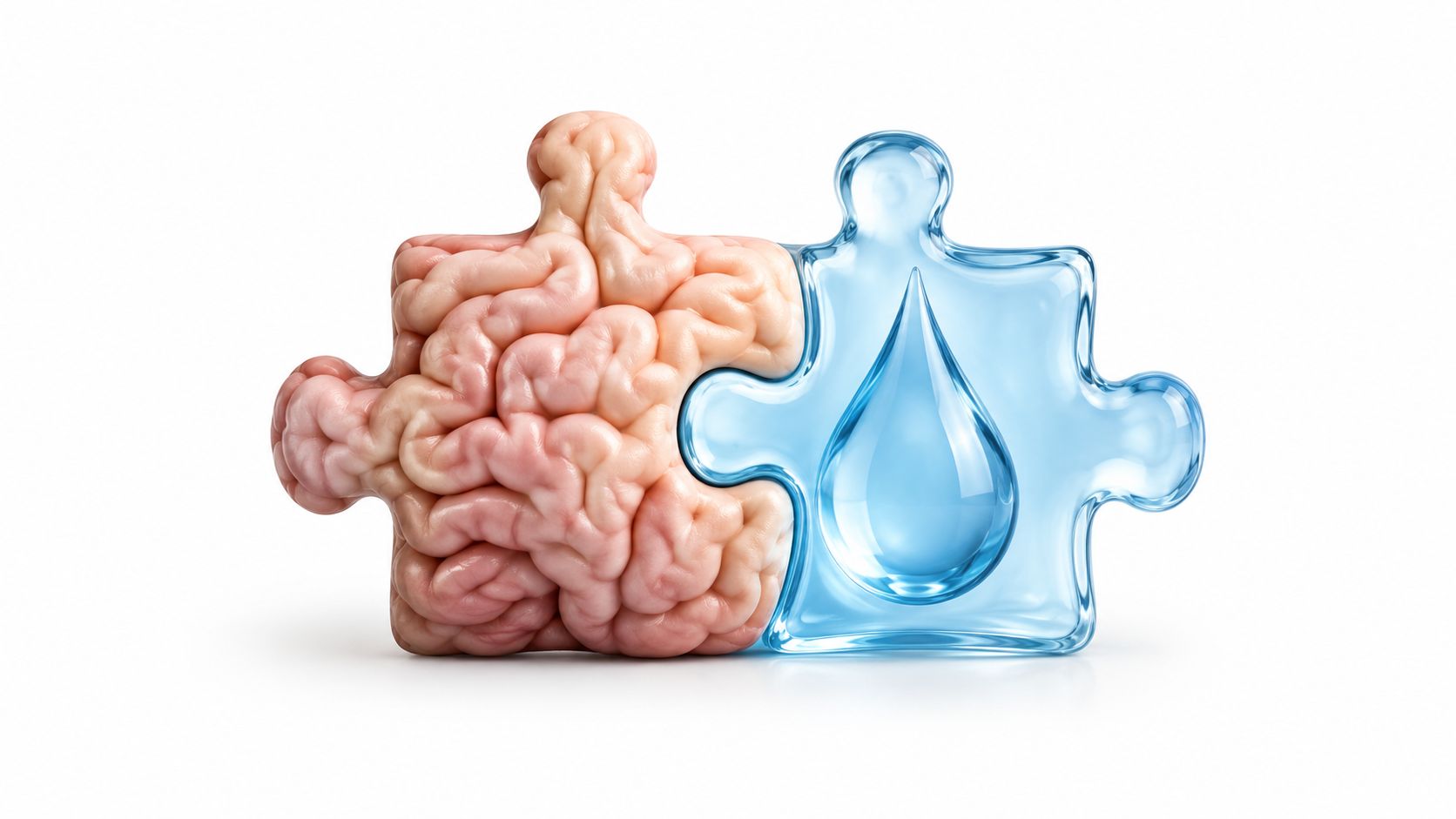
In an integrated residential setting, you receive support for both your mental health and your substance use at the same time. This approach is very different from programs that treat addiction first and mental health later, or that send you back and forth between separate providers. By addressing everything together, you give yourself a more realistic chance at long-term recovery and stability.
How mental health and addiction interact
If you feel like your mental health and your substance use are tightly intertwined, you are not alone. Many adults in the United States live with co occurring disorders, meaning they have both a mental illness and a substance use disorder at the same time [1].
Substances can temporarily numb distress, quiet racing thoughts, or help you sleep. Over time, however, they tend to:
- Worsen anxiety, depression, and mood swings
- Increase trauma symptoms and emotional reactivity
- Disrupt sleep, energy, and concentration
- Create intense cravings and withdrawal states that mimic or amplify psychiatric symptoms
You might notice that your panic is worse after a night of drinking, or that your mood crashes after using stimulants. You might also feel trapped in a cycle where untreated PTSD or mood symptoms drive you back to substances, even when you want to stop.
Integrated care helps you break this pattern by stabilizing both sides of the equation. Instead of asking you to choose which problem to treat first, a comprehensive psychiatric care and addiction treatment program accepts the full complexity of your experience.
Why accurate diagnosis matters
When you have both mental health and substance use issues, getting an accurate diagnosis is essential. Symptoms can overlap in confusing ways. For example, withdrawal can look like depression or anxiety, and stimulant use can mimic bipolar hypomania or psychosis.
Effective programs take time to sort out what is really going on. This often includes:
- A detailed history of your mood, trauma, and substance use
- Medical and psychiatric evaluations
- Screening tools for depression, anxiety, bipolar disorder, PTSD, and psychosis
- Consideration of family history, medical conditions, and medications
Research on integrated psychiatric care shows that proactive patient identification with validated screening tools is a key element of quality treatment [2]. You deserve more than a quick label. You need a clear understanding of how trauma, mood, and substance use have developed and interact in your life.
If you know that PTSD and substance use are linked for you, a specialized ptsd and substance abuse treatment center can provide trauma focused assessments and care. If bipolar symptoms stand out, a bipolar disorder and addiction treatment program can help distinguish mood episodes from substance related changes.
What “integrated” psychiatric and addiction care means
Integrated care is more than having a therapist and a prescriber in the same building. In a truly integrated psychiatric care and addiction treatment program, mental health and addiction services are coordinated around a single, shared treatment plan.
According to national guidelines, integrated programs for co occurring disorders typically include [3]:
- Team based care with both medical and behavioral health providers
- Ongoing care management, not just one time appointments
- Measurement based, stepped care so your plan adjusts as you improve or struggle
- Individualized treatment that reflects your goals, values, and symptoms
- Strong linkages to community and social services that address housing, work, and other social needs
Delivering this kind of program can be challenging, which is one reason undertreatment is common. In 2018, only 43 percent of adults with mental illness and just 11 percent of people with substance use disorder received any treatment [2]. When you do access integrated care, you are taking advantage of an evidence informed model that remains out of reach for many.
If you are looking for this level of coordination in a residential setting, a co occurring disorder residential treatment program can be a strong option.
Levels of care in psychiatric and addiction treatment
Not every situation requires the same level of intensity. Understanding your options can help you decide what kind of psychiatric care and addiction treatment program is right for you.
According to national guidelines, common levels of care include [4]:
| Level of care | Typical setting | Who it is for |
|---|---|---|
| Inpatient hospitalization | Hospital psychiatric or detox unit | People who need 24 hour medical or psychiatric supervision for safety, severe withdrawal, or acute crisis |
| Residential treatment | Live in treatment center, non hospital | People with serious substance use and mental health disorders who need a structured, supportive environment for several weeks or months |
| Intensive outpatient (IOP) | Several sessions per week, home at night | People who need more than weekly therapy but can maintain safety and basic functioning at home |
| Outpatient care | Office or telehealth visits | People who are medically and psychiatrically stable and can manage recovery with regular professional support |
Specialized inpatient units, such as the Intensive Treatment Unit at Johns Hopkins Hospital, offer rapid 2 to 4 day medically supervised withdrawal and stabilization, while also beginning psychiatric treatment [5]. Other units, like their Motivated Behaviors Unit, provide acute detoxification, psychiatric stabilization, and intensive group therapy for people with both substance use and other psychiatric disorders [5].
Residential programs can then build on that initial stabilization, helping you prepare to reintegrate into your community over weeks or months [6]. If there is a waitlist for a higher level of care, interim services can provide daily medication and emergency counseling to help you stay safe until a full program opens up [6].
The role of medication in dual diagnosis treatment
Medication is often an important part of an integrated psychiatric care and addiction treatment program, especially when you live with opioid use disorder, alcohol use disorder, or significant mood or anxiety symptoms.
For substance use disorders, medications can:
- Reduce cravings and withdrawal symptoms
- Block or blunt the effects of certain substances
- Support abstinence and reduce risk of relapse
For example, medications such as methadone, buprenorphine, and naltrexone are widely used to treat opioid use disorder, often combined with counseling for the best outcomes [6]. Programs like the Medication Assisted Treatment services at the University of Maryland Medical Center use Suboxone, methadone, and Vivitrol to manage withdrawal and cravings for alcohol, heroin, and prescription opioids, and have supported hundreds of patients over decades [7].
For co occurring depression, bipolar disorder, anxiety, PTSD, or psychotic disorders, psychiatric medications can help stabilize your mood, reduce intrusive memories, improve sleep, or quiet distressing thoughts. Treatment guidelines emphasize careful prescribing for people with substance use disorders, with a preference for medications that have low abuse potential and close monitoring to prevent misuse and overdose [8].
When you enter a program that offers integrated mental health and addiction treatment, your team can adjust medications for both conditions in a coordinated way, instead of working at cross purposes.
Psychotherapy and skills based interventions
Medication alone is rarely enough to create lasting recovery, especially when trauma or complex mood disorders are involved. A comprehensive psychiatric care and addiction treatment program also emphasizes psychosocial therapies that help you understand patterns, build skills, and repair relationships.
Evidence informed interventions frequently include [8]:
- Individual therapy that focuses on your personal history, trauma, beliefs, and goals
- Group therapy that offers shared experiences, feedback, and practice with new skills
- Family or couples therapy when relationships have been strained by symptoms and substance use
- Cognitive behavioral therapy to change unhelpful thoughts and behaviors that keep you stuck
- Relapse prevention planning that helps you anticipate triggers and build a plan to respond
- Behavioral contracts, routines, and structure that support day to day stability
If alcohol use has become your primary way of coping with low mood, a specialized depression and alcohol addiction treatment program can merge mood focused therapy with relapse prevention and healthy coping strategies. If anxiety is driving your substance use, anxiety and substance use disorder treatment can offer exposure based work, mindfulness skills, and cognitive restructuring alongside addiction counseling.
For trauma survivors, a trauma informed addiction treatment center pays careful attention to safety, pacing, and choice, so you can process what happened without becoming overwhelmed or re traumatized.
Integrated residential treatment for trauma, PTSD, and mood disorders
Residential programs that specialize in co occurring trauma, PTSD, and mood disorders provide a uniquely immersive environment for healing. In this setting, you are not asked to navigate day to day triggers alone while you try to learn new skills. Instead, you live in a structured, therapeutic community where every part of the day is aligned with your recovery.
In integrated residential care, you can expect:
- 24 hour support with immediate help during flashbacks, panic, or intense mood shifts
- Consistent routines that stabilize sleep, meals, exercise, and medication adherence
- Trauma informed groups that address shame, guilt, hypervigilance, and dissociation
- Mood disorder specific groups that help you recognize early warning signs and regulate energy
- Addiction groups that explore cravings, triggers, and coping strategies in the context of your trauma and mood history
If grief and loss have played a major role in your substance use, a focused grief and loss addiction treatment program can help you process those experiences in depth while also working on sobriety. For long standing mood conditions, a dual diagnosis rehab for mood disorders combines intensive psychiatric care with addiction treatment to address both sides concurrently.
Special considerations for complex diagnoses
Some conditions require particularly careful coordination between psychiatric and addiction providers. If you identify with any of the patterns below, you may benefit from a program that calls out these issues explicitly.
Bipolar disorder and addiction
When you live with bipolar disorder, substances can feel like a way to manage extremes. Stimulants might seem to extend a high, while alcohol or sedatives may appear to calm agitation or help you sleep. Over time, however, substances usually:
- Destabilize your mood cycle
- Mask early warning signs of mania or depression
- Complicate medication management
A dedicated bipolar disorder and addiction treatment program can help you distinguish between substance effects and genuine mood episodes, find medications that work for you, and develop strategies to protect your stability.
Borderline personality traits and substance use
If you experience intense emotions, unstable relationships, self harm urges, or chronic emptiness, and you also use substances, you may benefit from borderline personality disorder addiction treatment. Programs that integrate dialectical behavior therapy, addiction counseling, and psychiatric care can help you build skills in:
- Emotional regulation
- Distress tolerance
- Interpersonal effectiveness
- Reducing self destructive behaviors, including substance use
Trauma and addiction
For many people, substances begin as a way to survive overwhelming experiences. Over time, they become another source of harm. A dual diagnosis treatment for trauma and addiction program recognizes that you cannot simply remove the substance without also addressing what made it feel necessary.
These programs often combine:
- Trauma focused therapies
- Grounding and stabilization skills
- Careful pacing of trauma processing
- Substance use treatment that avoids shaming your coping strategies, while helping you find safer ones
Access, telehealth, and system challenges
In practice, it is not always easy to access a high quality psychiatric care and addiction treatment program. Workforce shortages, complex insurance rules, and low reimbursement for integrated care all create barriers. For example, new Medicare billing codes for behavioral health integration have seen very low uptake, with only a small fraction of eligible beneficiaries receiving services, in part because the requirements are complex and payment flows mainly to general medical providers [2].
Despite these challenges, there are signs of progress. Telemedicine has expanded access to medications for opioid use disorder, especially in rural areas. The University of Maryland Medical Center uses video conferencing to deliver buprenorphine treatment to people who might otherwise struggle to attend in person appointments [7]. More broadly, telehealth and digital tools are seen as important policy priorities for improving integrated psychiatric and addiction care [2].
Understanding these system level realities can help you advocate for yourself. When you speak with programs or providers, you can ask specific questions about how they integrate care, coordinate with other services, and support transitions between levels of care.
How to evaluate a psychiatric care and addiction treatment program
When you are considering options, it can help to look beyond marketing language and focus on concrete features. You might ask:
- Do you assess and treat both mental health and substance use from the start, or only one first
- Are psychiatry, therapy, and addiction counseling coordinated under one treatment plan
- How do you adjust care when my symptoms change
- Do you offer residential or inpatient options if I need more support
- What trauma informed practices do you use
- How do you involve my family or support system, if I want that
- What is your approach to medications for both mental health and substance use
You can also look for programs that explicitly name your primary concerns. If anxiety is tied to your use, anxiety and substance use disorder treatment should be part of the offering. If mood swings or depression are central, dual diagnosis rehab for mood disorders or depression and alcohol addiction treatment may be the best fit, especially when supported by a medically supervised alcohol detox process.
Taking the next step toward integrated healing
Choosing a psychiatric care and addiction treatment program is not about deciding whether your problem is “really” mental health or “really” addiction. It is about recognizing that both are present and both deserve thoughtful, coordinated attention.
When you seek integrated treatment, you give yourself permission to:
- Address the root causes of your substance use
- Stabilize trauma and mood symptoms instead of fighting them alone
- Learn new skills in a structured, supportive environment
- Use medications in a careful, coordinated way
- Build a realistic plan for long term recovery and mental health
Whether you enter a hospital based unit, a residential program, or a structured outpatient service, you have the right to care that sees the full picture. With the right team and setting, you can move from simply surviving to building a life that feels more stable, connected, and aligned with who you want to be.